
Alder House Media: Integrated Marketing Systems for Small Businesses
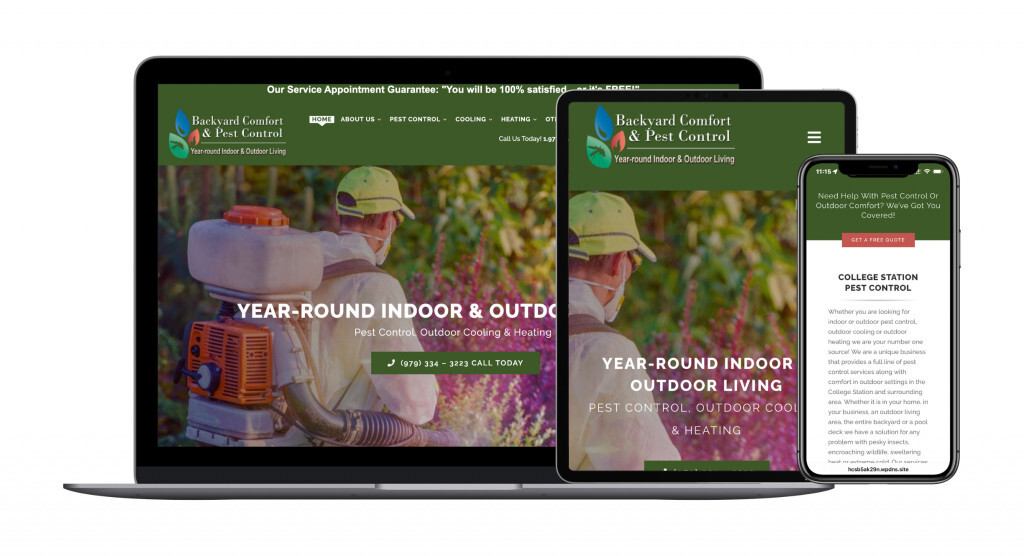
Alder House Media operates from a College Station address while its current website positions the company around marketing services for home-service businesses, including plumbers, electricians, landscapers, pest-control companies and HVAC firms. Its published services include SEO, digital advertising, landing pages, web design, content creation and automated follow-up through a CRM. The company describes an integrated approach intended to connect lead generation with follow-up rather than treating each marketing channel as a separate project. Readers can review its current positioning and services on the Alder House Media website.
Where AI can support agency operations
Marketing agencies receive information from many directions: discovery calls, emails, brand files, ad-platform notes, website analytics, client approvals and campaign changes. The opportunity for practical AI is not to invent strategy or publish unchecked copy. It is to organize that material so account and creative teams spend less time reconstructing context.
A useful intake workflow could take a client questionnaire, meeting transcript and approved brand documents and create a structured campaign brief. The brief might identify audience, service area, offer, approved claims, required assets, channels, deadlines and unresolved questions. A team member would review every field before the brief becomes working direction.
From discovery call to campaign brief
An end-to-end workflow can begin when a prospect or client completes a form and attends a discovery call. The friction is that important details may be split across notes, email and attachments. AI can extract facts, compare them with a required-information checklist and draft a concise brief with citations or links back to the source material. Missing information should be flagged rather than guessed.
The reviewed brief can then be stored in the agency’s project system or CRM. Human account leadership decides strategy, budget, positioning and commitments. Creative staff approve messaging and design. AI has no authority to launch ads, change budgets, make unsupported claims or send client-facing material without approval.
Client knowledge that stays consistent
Agencies often repeat the same questions: Which logo is current? Which services can be promoted? What geographic areas are approved? Which claims require qualification? An internal assistant grounded in approved client folders can make those answers easier to retrieve. That is a practical use of a custom AI agent for small business: it should answer from controlled sources, respect permissions and show where information came from.
OpenAI business tools can support document-based work, while platforms such as Zapier can connect forms, CRMs and project systems. The important design decision is not the brand of tool. It is deciding which system is authoritative and where human review occurs.
Reporting without invented conclusions
Campaign reporting is another good candidate. Instead of asking AI to decide whether a campaign succeeded, a workflow can collect approved metrics and prepare a draft narrative describing what changed. The draft should distinguish measured facts from interpretation and link back to the source dashboard. An account manager can then add context, explain tradeoffs and decide what recommendations are appropriate.
This can be especially useful when an agency manages SEO, paid media, websites and follow-up systems together. A standardized reporting packet reduces the risk of comparing different date ranges or losing track of which metric came from which platform.
Content production with stronger controls
AI can help turn approved source material into first drafts for landing pages, FAQs, ad variations or social posts. The source should include the client’s actual services, geographic coverage, brand voice and compliance constraints. A reviewer checks factual claims, tone, legal or industry restrictions and whether the draft actually matches the campaign goal.
For home-service clients, this matters because details such as licensing, service areas, financing, warranties and emergency availability can change. AI should never fill gaps with plausible-sounding assumptions.
What remains human
Media strategy, brand positioning, creative direction, client promises, advertising budgets, targeting choices and final publishing remain human responsibilities. Client data also needs permissions and retention rules. If a workflow touches customer leads, teams should define who can access that information and which vendors are approved to process it.
A practical local pilot
A good pilot for an agency like Alder House Media would be narrow: convert discovery notes and approved client files into a reviewed campaign brief, then measure whether teams receive cleaner handoffs. If it works, the same governed pattern can extend to reporting or content preparation. Maisy provides practical AI solutions and consulting in College Station, Texas, focused on improving real workflows without forcing businesses to replace the systems they already rely on.