
Frontline Tree Care & Services: Tree Trimming, Removal and Maintenance in College Station
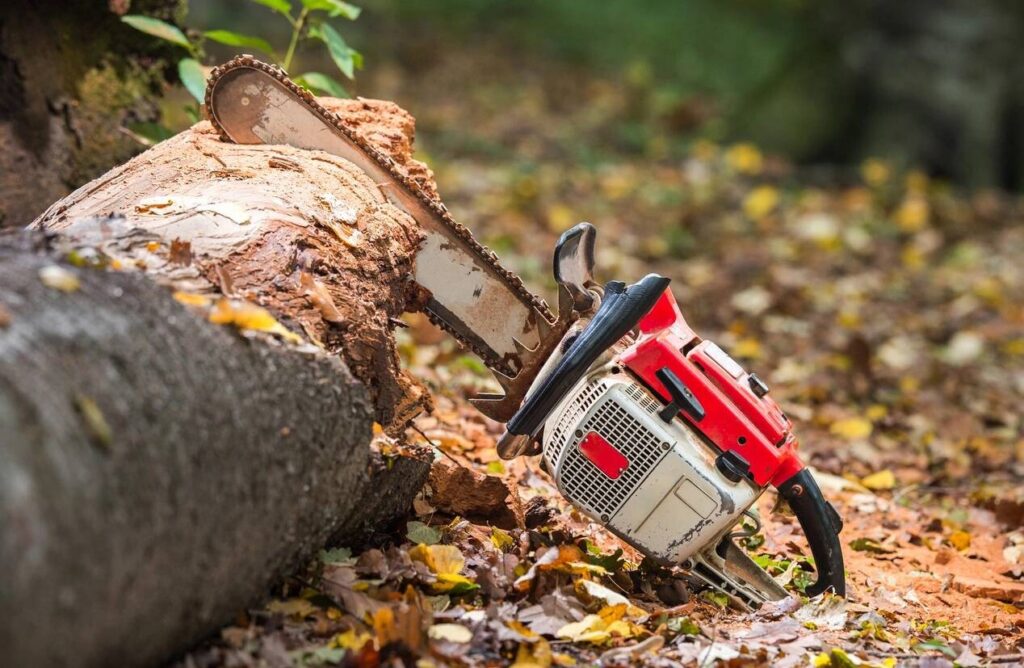
College Station property owners have a local option for tree work that covers both routine care and the jobs that cannot wait. Frontline Tree Care & Services serves residential and commercial properties with tree trimming, tree removal, stump grinding and ongoing maintenance. Its website also highlights emergency tree removal for storm-damaged, leaning or broken trees, along with maintenance plans for properties that need recurring attention.
A local tree-care operation built around practical services
Frontline presents its work in straightforward terms: keep trees healthy and manageable, remove unsafe or unwanted trees when necessary, clear stumps and help property owners maintain trees over time. The company serves College Station and surrounding communities and works with both homeowners and commercial property owners. Its service pages describe trimming for appearance and tree health, emergency removal when storms or damaged limbs create urgent concerns, and stump grinding after removal. For current service details, emergency availability and contact information, readers can visit the Frontline Tree Care & Services website.
Tree care is a useful example of a field business where good information has to move quickly from a customer to an office and then to a crew. The physical work remains skilled, site-specific work. The opportunity for practical AI is around the information surrounding that work: intake, preparation, documentation, internal knowledge and follow-up.
Where practical AI could help a tree-care company
For an operation like Frontline, one useful starting point is customer intake. A request may arrive through a website form, email, phone call or text. The customer may describe a broken limb, a tree leaning toward a structure, a stump that needs grinding or a group of trees that need trimming. Photos, addresses, gate instructions and timing details may arrive separately. An AI-assisted intake workflow could organize those pieces into a consistent job brief without deciding whether a tree is dangerous or prescribing the work.
Another opportunity is internal knowledge. A company can maintain approved instructions for common administrative questions, equipment preparation, customer communication and job documentation. A controlled knowledge assistant could help employees retrieve those instructions without searching folders or asking the same questions repeatedly. The same idea appears in other local field-service businesses, including the way landscape companies coordinate project information and how inspection businesses organize field information.
A storm-call workflow from intake to crew brief
Consider a hypothetical storm-related request for a business like Frontline. First, a customer submits an address, contact information, a description and several photos. A form or inbox automation sends those items into a structured record. An AI model such as ChatGPT, Gemini, Claude or Copilot can extract the location, reported condition, nearby structures mentioned by the customer, access notes and whether the customer is asking for emergency help or a standard estimate.
Second, the system checks for missing administrative information. It might flag that no callback number was provided, that the photos do not show the requested area clearly, or that gate-access instructions are missing. It can draft a short request for the missing details, but a staff member reviews the message before it is sent.
Third, the system produces a crew-ready summary. The summary can include the original customer wording, the photos, the address, the requested service, access information and prior service history if the company already has a record for that property. Nothing in that summary should label the tree safe, unsafe, structurally compromised or suitable for a particular removal method. Those are field judgments.
Finally, after the job, approved notes can be converted into a concise customer follow-up and stored with the property record. That creates a cleaner history for future trimming, stump work or maintenance visits. Automation tools such as Zapier, Make, n8n, Google Apps Script or Power Automate could connect forms, email, a CRM, a spreadsheet or a job-management system without forcing the company to replace its existing tools.
Safety and human judgment stay in the center
Tree work carries real hazards. The OSHA guidance for tree-care safety and health programs and its tree-care hazard guidance reinforce why automation should not be treated as a substitute for qualified field judgment. A system should not authorize climbing, rigging, chainsaw work, equipment setup, traffic control, work near electrical hazards or emergency removal.
For Frontline or any similar company, the safest AI role is usually preparatory: organize what the customer said, retrieve approved information, identify missing administrative details and prepare drafts for review. The crew or responsible manager remains in control of hazard assessment, work methods, equipment, pruning choices and the decision to proceed.
Start with a narrow, controlled pilot
A practical first pilot could use only new customer inquiries and public or non-sensitive operating information. Maisy would map the existing intake process, identify the minimum fields needed for a useful job brief, connect the current form or inbox, and require human approval before any customer-facing message. The company could test the workflow on a small set of requests, compare the summaries with what staff actually need and adjust the rules before expanding it.
That approach fits Maisy’s focus on practical AI solutions and consulting in College Station, Texas. For a tree-care company serving the Brazos Valley, the goal is not to automate tree work. It is to make the information around tree work easier to capture, organize and hand off so experienced people can focus on the decisions and field work that require them.