
Recovery Cryo: Four Recovery Services Under One Roof in Bryan
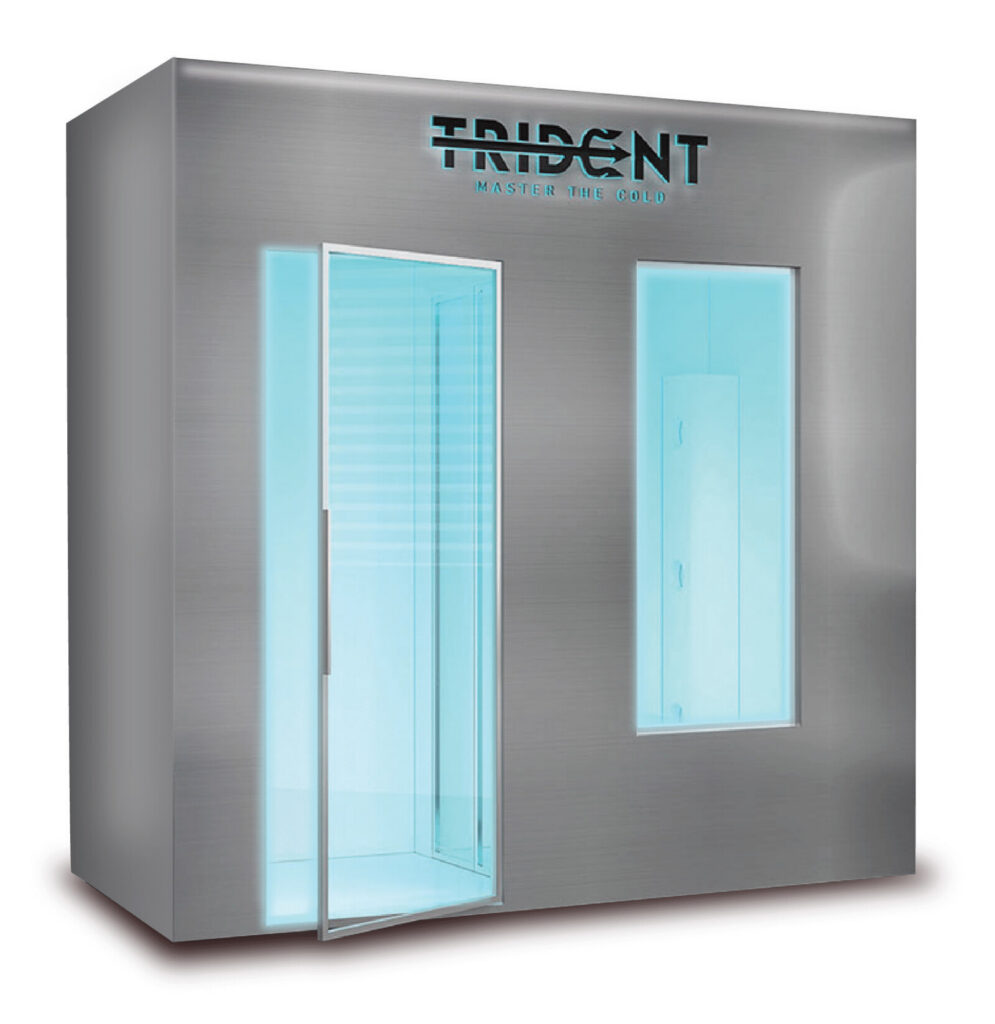
Recovery Cryo gives Bryan–College Station residents a local place to explore several recovery and wellness services without traveling between multiple facilities. The Bryan business is built around a straightforward idea: make recovery options easy to understand, schedule and use.
A Bryan recovery business with several options
Recovery Cryo describes itself as Bryan’s first clinic offering electric whole-body cryotherapy. Its current service menu also includes a 360-degree infrared red-light bed, compression therapy and an infrared sauna. The company says services are delivered in individual private facilities, and its site publishes current single-session and membership information along with online booking. It is open seven days a week at 3121 Wildflower Drive, Suite 400, in Bryan. For local residents comparing recovery options, the company’s website is the best place to review current services, pricing, FAQs and appointment availability. The breadth of that menu also makes Recovery Cryo a useful example of a small service business where customer questions, bookings, memberships and recurring visits create a steady flow of administrative information.
Where practical AI could fit
A business with several bookable services could use AI first as an information-organizing layer rather than as a health adviser. A website or staff assistant could answer approved questions about hours, published pricing, membership rules, what to bring and how booking works. It could also summarize incoming questions for staff and identify which service the customer is asking about. The important boundary is clear: wellness claims, contraindications and individual health questions should remain with qualified people and approved source material.
Tools such as ChatGPT for business, Google Gemini or Microsoft Copilot can help draft and summarize routine information when configured with appropriate controls. For a local operation like Recovery Cryo, the useful question is not which brand is fashionable; it is which tool fits the existing booking process, privacy requirements, staff habits and budget.
A realistic inquiry-to-booking workflow
Consider a narrow pilot around customer inquiries. First, a question arrives from a website form, email or staff-entered phone note. Second, an AI workflow classifies the message by topic: cryotherapy, red light, compression, sauna, membership, pricing or scheduling. Third, it checks the message against an approved knowledge source containing only current public information. Fourth, it drafts a short response and flags missing details. Fifth, an employee reviews the draft, corrects anything necessary and sends it through the normal channel. The AI does not recommend a treatment, determine whether a service is medically appropriate or override staff judgment.
The same workflow can create an internal summary: customer name, requested service, preferred time, unresolved question and next action. That summary can be copied into the existing booking or customer system rather than requiring a replacement platform. For Recovery Cryo’s type of operation, that is a practical example of AI automation in College Station and Bryan that reduces retyping while preserving human control.
Membership and recurring-service knowledge
Membership businesses also accumulate repeated questions: credits, included services, booking procedures, cancellations and current promotions. An internal knowledge assistant can give staff one approved answer source instead of relying on memory. When a policy changes, the source is updated once and the assistant retrieves the new version. This is the same knowledge-management principle described in Maisy’s practical implementation process: understand the workflow, organize the authoritative information, then empower staff with a controlled tool.
A second low-risk use is recurring-question analysis. AI can group de-identified inquiry topics and show staff what customers ask most often. People then decide whether the website, FAQ, signage or booking instructions need improvement. That is analysis, not autonomous decision-making.
Keep health and safety decisions human
Recovery and wellness businesses should be especially careful about allowing a language model to drift from administrative assistance into medical guidance. The Federal Trade Commission’s health-claims guidance is a useful reminder that health-related representations need appropriate support. A sensible system restricts answers to approved content, logs changes, controls access and escalates uncertain questions to staff.
Data quality matters too. Old pricing, expired promotions or inconsistent policies will produce poor answers no matter how capable the model is. A pilot should therefore begin with a small set of reviewed sources, test common and unusual questions, define what the assistant must refuse or escalate, and assign someone to maintain the source material.
A practical local pilot
For a business like Recovery Cryo, the strongest first project is likely administrative: organize service information, summarize inquiries and prepare staff-reviewed replies. It can be tested without connecting AI to sensitive health records or giving it authority over bookings, refunds or treatment decisions.
Maisy provides practical AI solutions and consulting in College Station, Texas, including Bryan and the Brazos Valley. A small pilot can map one repetitive workflow, identify the approved source information, select a suitable tool and keep every consequential decision with the business. For a service operation with multiple offerings like Recovery Cryo, that controlled approach is usually more useful than attempting a broad technology overhaul.