
RS Inspectors: Home and Commercial Inspections Across the Brazos Valley
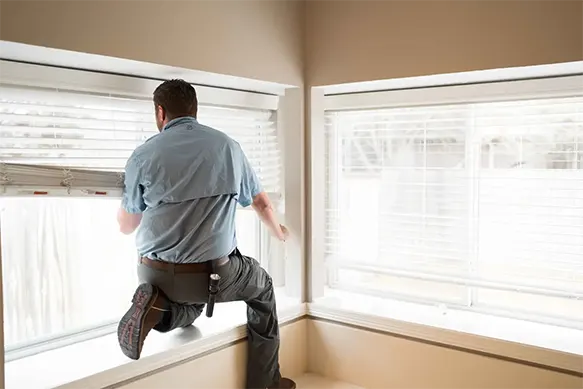
A Brazos Valley Inspection Business Built Around Detailed Property Review
RS Inspectors provides home and commercial inspection services across the Brazos Valley. Its website identifies Ryan Dykes as a real estate inspector and notes experience with residential, commercial, and rural properties. The firm lists residential home inspections, pier-and-beam inspections, pre-listing inspections, new-construction inspections, 11th-month warranty inspections, wood-destroying insect inspections, septic-system inspections, irrigation inspections, water-well inspections, and pre-purchase commercial inspections. The site also explains that residential work is documented in detailed reports intended to help buyers and owners understand a property, while commercial inspections provide a broad look at an investment. For local buyers, sellers, investors, and property owners trying to understand the scope of an inspection before booking, the RS Inspectors website is the best place to review the current service list and contact information.
Where Practical AI Could Support an Inspection Firm
Inspection work creates a large amount of structured and unstructured information: booking details, property data, field notes, photographs, equipment observations, report narratives, client questions, standards, and follow-up items. A company like RS Inspectors could use practical AI to reduce clerical repetition around that information without asking a model to decide whether a component is defective or safe.
One useful starting point is intake. Information from a scheduling form or email could be summarized into a consistent job brief containing property address, inspection type, access notes, client questions, known systems, and requested add-ons. A person would review the brief before it becomes part of the job record. The AI would organize information already supplied; it would not choose the inspection scope or represent that a service has been booked.
Turning Field Notes Into Better Drafts, Not Automatic Conclusions
Inspectors already collect the evidence that matters. AI can help organize that evidence after collection. Dictated notes, typed observations, and photo captions could be grouped by building system and compared with an approved report structure. A model could then prepare draft narrative language for a licensed inspector to edit. Modern tools can work with text, files, and structured tool calls; the OpenAI tools documentation is one example of how an application can combine a model with controlled data and business functions.
For RS Inspectors, the boundary should be explicit: AI can sort, summarize, reformat, identify missing fields, and draft plain-language explanations. The inspector remains responsible for observations, material-defect judgments, regulatory requirements, technical conclusions, and the final report. That division matters because a polished sentence is not a substitute for an on-site professional judgment.
An End-to-End Workflow for Inspection Report Preparation
A practical workflow could begin with the scheduling system, property information, field notes, voice dictation, and labeled photographs. The friction is that these inputs may arrive in different formats and must be converted into a consistent report while the inspector is also managing travel, site work, and client communication.
After the inspection, an AI workflow could extract the job identifiers, group observations by system, flag incomplete required fields, and draft narratives only from the inspector’s recorded evidence and approved templates. The workflow could use ChatGPT or another model for language work, Zapier, Make, n8n, Apps Script, or Power Automate for routing, and the existing inspection/reporting platform as the destination. The draft would go to the inspector for review. Only after human approval would content be copied or submitted into the final report. The model would have no authority to add an unobserved defect, downgrade or upgrade a condition, send a final report, or make a repair recommendation on its own.
Making Procedures and Standards Easier to Retrieve
Another opportunity is an internal knowledge assistant grounded in the firm’s approved procedures, service definitions, equipment notes, report-writing standards, and current regulatory references. Instead of searching several folders, an inspector or office staff member could ask a narrow question and receive an answer tied to the approved source. Microsoft documents how Copilot Studio can ground agents in configured knowledge sources such as files, SharePoint, websites, Dataverse, and other sources in its knowledge-source guidance.
For a small inspection business, source quality matters more than model novelty. Old templates, superseded guidance, and duplicate procedures should be separated before they become searchable. Permissions should also distinguish internal procedures from client-facing material.
Human Control Should Stay at the Center
RS Inspectors could also use AI for lower-risk tasks such as drafting appointment reminders, summarizing a client’s pre-inspection questions, preparing a post-inspection follow-up checklist, and identifying jobs that still need administrative closure. Those uses depend on clean data, clear ownership, integration access, testing, and a defined review step.
AI should not independently interpret a code issue, determine whether a system is safe, make a licensing decision, promise a repair outcome, or communicate a technical conclusion that the inspector has not approved. The business needs an audit trail for important outputs and a simple way for a human to correct a draft.
A Small Local Pilot Is Enough to Learn
For inspection firms in Bryan, College Station, and the Brazos Valley, the best first project is usually narrow: one intake workflow, one report-preparation step, or one approved knowledge set. Maisy AI Consulting in College Station focuses on practical systems built around the way a business already works rather than wholesale replacement. The Maisy Knowledge Hub approach also emphasizes approved sources, permissions, testing, and human review. For a business like RS Inspectors, that makes it possible to evaluate a useful workflow while keeping the inspector firmly in charge of the professional work.