
Acme Architectural Hardware: Commercial Door Hardware Support in College Station
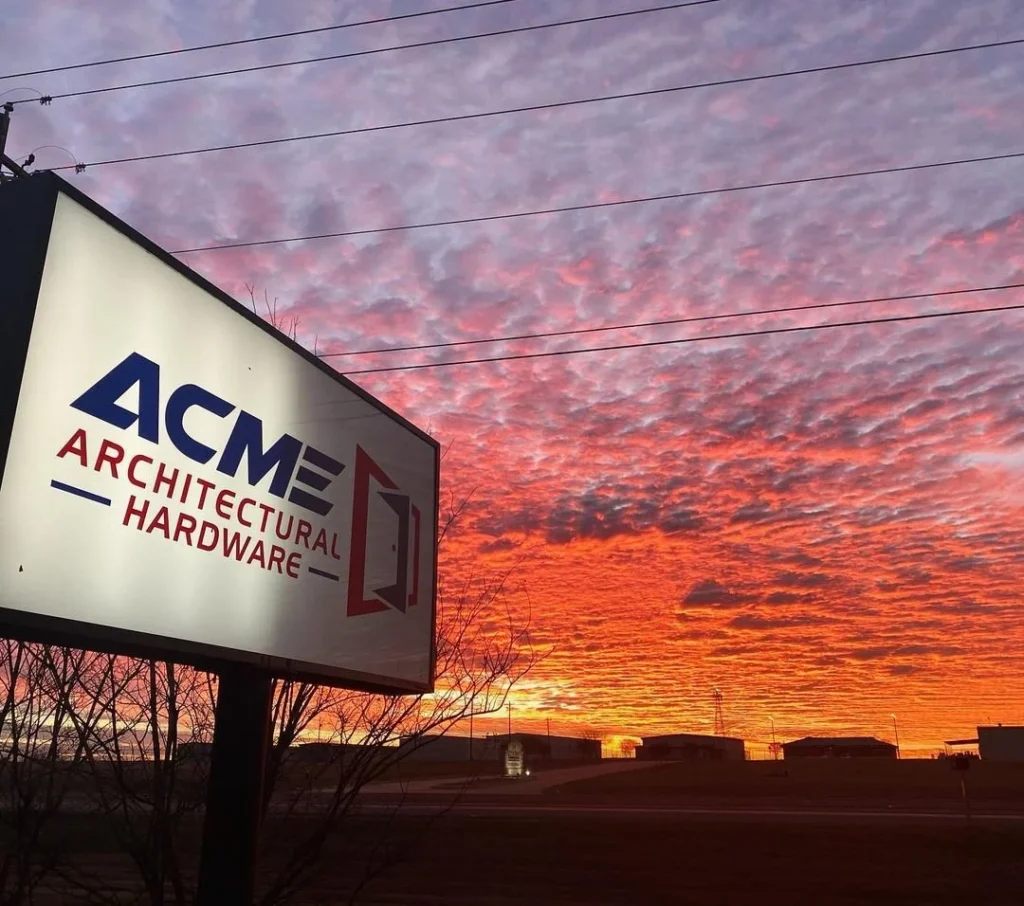
Commercial doors look simple from the hallway, but the hardware behind a dependable entry can involve locks, closers, hinges, exit devices, operators and other components that must work together. Acme Architectural Hardware supports Bryan–College Station customers from its College Station location with commercial door-hardware sales, troubleshooting help and a substantial local inventory.
A specialized local resource for commercial entries
Acme’s website is straightforward about what the company does. It helps customers source hardware for commercial entries, provides troubleshooting support and lists more than 30,000 items as available inventory. That combination matters for contractors, facility teams and property operators who may need to identify a part, replace a component or work through a door-hardware problem without starting from scratch. The company is located on State Highway 30 in College Station. Readers can visit its official site for current contact details and hardware assistance.
Where AI could help a hardware-focused operation
A business with a large inventory and a specialized knowledge base faces a different problem from a general service contractor. The value is often in quickly matching a customer’s description to the right category of information. Requests may include photos, part markings, door type, building use, dimensions or a description such as “the closer is leaking” or “the latch does not engage.”
An AI assistant can help organize those requests before a knowledgeable employee takes over. It can extract model numbers from typed messages, summarize the problem, identify what information is missing and retrieve relevant internal notes. It should not decide that a specific component is code-compliant or safe for a particular opening.
This is the kind of focused workflow discussed in Maisy’s guide to custom AI agents for small business: give the system a narrow job, reliable sources and clear boundaries.
A step-by-step hardware inquiry workflow
Imagine a contractor sends an email with two photos of an existing commercial door closer and asks whether a replacement is available. The incoming email and images become the source material. An AI step reads the message, extracts any visible manufacturer or model markings, records the door location and summarizes the reported problem.
Next, the system checks an approved internal inventory reference or catalog index. If it finds possible matches, it presents them as candidates rather than answers. It also flags missing information such as arm style, mounting configuration or measurements. A staff member reviews the original images, the extracted details and the candidate records, then decides what to recommend.
If the company uses Microsoft tools, Microsoft Copilot Studio can connect agents to knowledge sources and tools. A controlled workflow could also use Power Automate approvals so a human must approve a customer-facing recommendation or order request before the workflow proceeds.
Knowledge retrieval can be more valuable than automation
For Acme’s type of operation, an internal knowledge assistant could be especially useful. Staff could search approved troubleshooting notes, common substitutions, manufacturer references or internal procedures using natural language. Instead of remembering the exact document name, an employee could ask for the approved notes on a particular hardware family and receive the source-backed information.
Another workflow could summarize recurring inquiries. If many requests involve the same closer, lock or exit-device family, the business could identify which internal reference guides deserve improvement. AI can group and summarize the questions, while people decide what inventory, training or documentation changes make sense.
Where human control must remain
Commercial door hardware can intersect with life safety, accessibility, security and building requirements. AI should not make final decisions about egress, fire-rated openings, access control, code compliance or installation suitability. Those decisions belong to qualified people using current codes, manufacturer documentation and project-specific requirements.
Source quality also matters. A model trained on general internet text is not a substitute for the company’s current inventory and approved manufacturer information. A useful pilot would restrict answers to selected sources, display those sources to staff and require review before the output becomes a recommendation.
A practical pilot for a specialized supplier
A narrow first project could focus only on intake: take incoming hardware questions, create structured briefs and identify missing information. That is useful even if the AI never recommends a part. Once the intake process is accurate, the company could add read-only retrieval from approved catalogs or internal notes.
Maisy provides practical AI solutions and consulting in College Station, Texas. For a specialized local business like Acme Architectural Hardware, the goal would be to make product knowledge and customer requests easier to navigate while keeping hardware decisions with experienced staff. Businesses interested in a small controlled pilot can contact Maisy to evaluate where an assistant or workflow could fit without replacing existing inventory or sales systems.