
Affordable Garage Doors: Residential Garage Door Repair and Installation in College Station
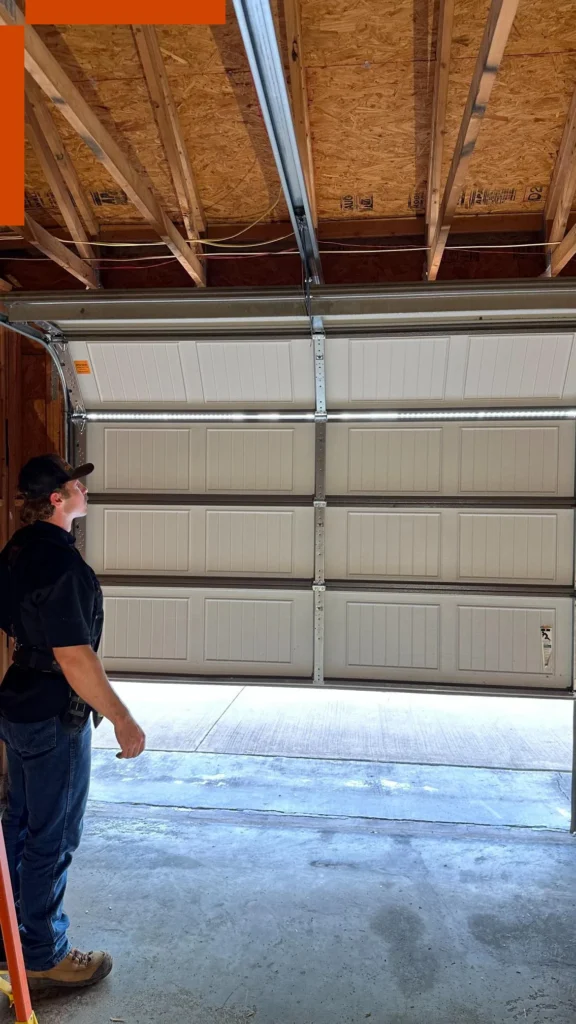
Garage doors are part of a home’s daily routine, but they are easy to ignore until a spring breaks, a panel bends or an opener stops working. Affordable Garage Doors serves Bryan–College Station from its College Station location with residential garage-door repair, installation and replacement services.
A local company focused on residential garage doors
The company’s current website emphasizes affordability, reliability, safety and transparency. Its service list includes sectional-panel installation, broken-spring and damaged-panel repairs, full door replacement, opener motor repair, repainting, bent-door repair and custom installations. The site also includes a project gallery and quote request, giving homeowners a direct way to review the company’s work and ask about a specific door or opener issue. For current hours, service options and quote details, readers can visit the company website.
Where AI could help a garage-door company
A garage-door business deals with a high volume of small details before anyone arrives at a property: door size, material, panel style, opener brand, symptoms, photos, address, urgency and whether a customer wants repair or replacement. Those details often arrive through calls, forms and texts in inconsistent formats.
AI can help convert those messages into structured job briefs. A system might identify that a request involves a broken spring, damaged panel or opener motor, then flag missing information before scheduling. It can also organize photos, retrieve approved installation checklists and prepare a technician handoff without deciding how the repair should be performed.
For businesses exploring AI knowledge management for garage-door companies, this kind of intake-and-handoff workflow is usually more practical than trying to automate technical decisions.
A realistic request-to-dispatch workflow
Imagine a homeowner submits a quote request describing a door that will not close and attaches two photos. The customer’s message, contact details and images enter the company’s existing form or CRM. An AI step extracts the address, reported symptom, door type if clear from the photos, requested timing and any missing details.
The system then produces a short summary for office staff: suspected category, not diagnosis; available information; missing questions; and links to the original photos. Staff reviews the summary, calls the customer if needed and decides whether to schedule a technician, request more photos or treat the job as an estimate. Once approved, the job brief goes into the existing scheduling system.
A tool such as AI by Zapier can be used for steps such as extracting and structuring information inside a workflow, while deterministic automation handles predictable actions such as creating a record or notifying staff. The important point is that the system should not decide that a spring is safe to work on, select a repair method or promise a price.
Useful follow-on workflows
After intake, the same approach can support other repetitive work. An internal assistant could retrieve the company’s approved notes about opener models, installation preparation, warranty procedures or customer FAQs. A post-visit workflow could turn a technician’s short field notes into a customer-ready draft for staff review. A reporting workflow could group recurring request types so the owner can see whether calls are primarily repairs, replacements or opener problems.
These workflows work best when source information is current. Old price lists, outdated installation notes and unapproved procedures should not be mixed into the knowledge base. Permissions should also be limited so customer addresses, photos and contact details are only available to people and systems that need them.
Businesses evaluating commercial AI platforms should review how business data is handled. OpenAI, for example, publishes its business data privacy and security commitments, and comparable review should be done for any other model or automation service connected to customer records.
Human judgment remains central
For a company like Affordable Garage Doors, AI can prepare information, classify requests, retrieve approved procedures and draft routine communication. Technicians and staff still decide what is actually wrong, whether a door is safe, which parts are appropriate, what repair is recommended, what the work costs and what commitments are made to the customer.
A good pilot would start with one narrow task, such as turning quote requests into reviewed job briefs. Run it beside the existing process, compare the summaries with what staff would normally prepare, and only expand when accuracy is dependable.
Maisy provides practical AI solutions and consulting in College Station, Texas. The goal is not to replace a garage-door company’s scheduling or service systems, but to make the information moving through them easier to use. Maisy can help design a controlled pilot using its practical implementation process, with staff approval remaining mandatory for customer-facing or safety-related decisions.