
Small businesses rarely suffer from a shortage of work. They suffer from too many small tasks competing for attention.
Employees answer the same questions, move information between systems, prepare routine reports, schedule follow-ups and search for documents that should have been easy to find. AI agents can automate parts of this operational workload by following defined rules across several connected steps.
What Operational AI Agents Can Handle
- Sorting incoming requests
- Preparing routine reports
- Classifying documents
- Extracting information from forms
- Scheduling appointments
- Updating internal records
- Drafting customer responses
- Creating follow-up tasks
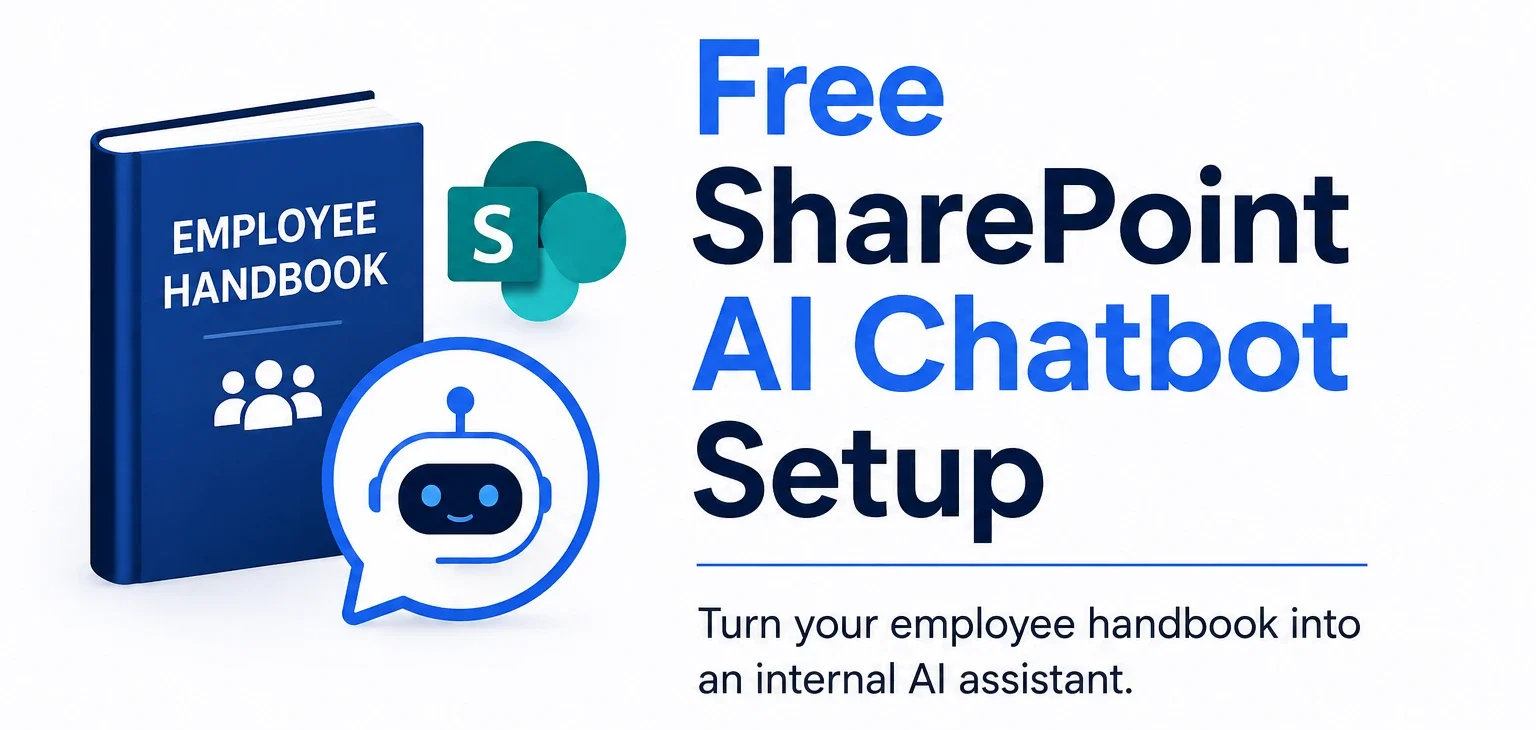
- Answering common employee questions
- Routing work to the correct person
Customer-Service Triage
An AI agent can review requests, identify the topic and determine where each should go. Billing questions might be sent to accounting, service problems to operations and urgent complaints to a manager.
Document Processing
An AI agent can identify the document type, extract key information, apply a naming standard and route the file to the correct location. It can also flag missing information.
Scheduling and Follow-Up
An operational agent could review the service requested, confirm the customer’s location, check employee availability and prepare appointment options. After the appointment, it could create a follow-up task or remind the employee to complete missing notes.
Routine Reporting
An AI agent can collect approved data from connected systems, summarize changes and prepare a draft report. The important word is approved. Garbage in, very polished garbage out.
Employee Support
An AI agent can answer routine questions using approved company information. It can also recognize when a request requires a manager, HR representative or specialist.
Start With One Process
Begin with a single workflow that is repetitive, measurable and relatively low risk. Document the current process before automating it, require human approval at important decision points and keep logs showing what the agent accessed and changed.
Where Maisy Fits
Operational agents depend on accurate procedures, policies and business rules. If the company’s knowledge is scattered across old documents, employee inboxes and undocumented experience, automation will reproduce that confusion at greater speed.
Maisy helps small businesses capture, organize and secure their institutional knowledge in a controlled system.