Arkitex Studio: Thoughtful Architecture and Planning from Downtown Bryan
Architecture and Planning From Downtown Bryan
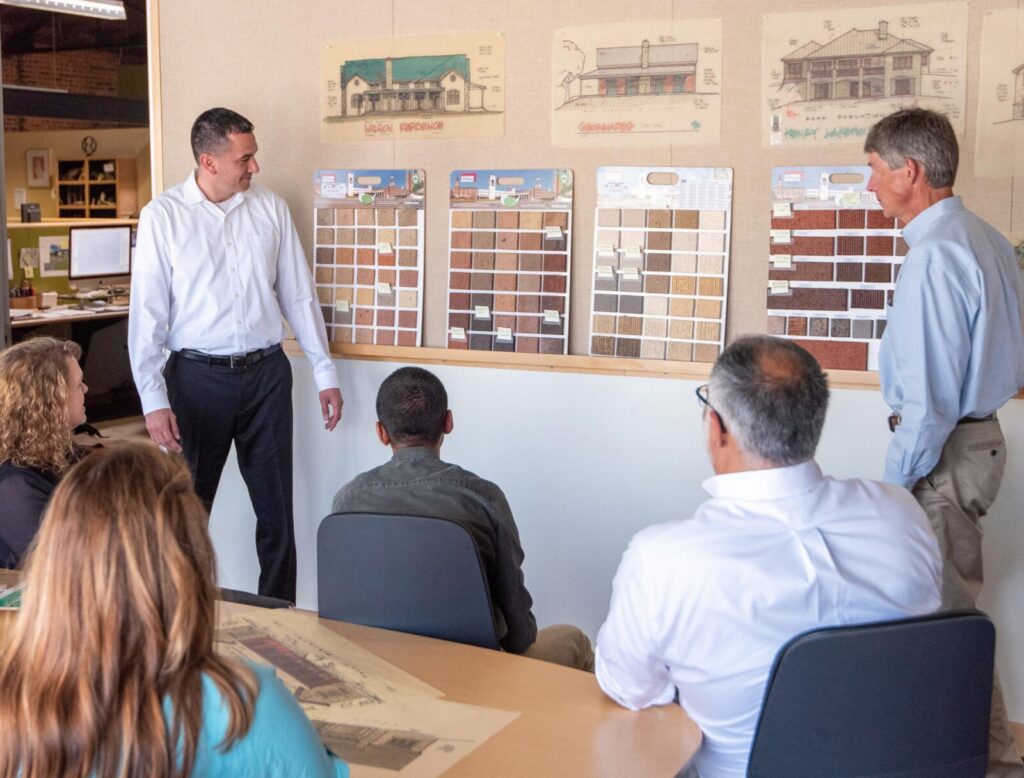
The Arkitex Studio, Inc. is a small architectural firm based at 308 N. Bryan Avenue in downtown Bryan. Its official site describes a full-service practice with work that includes architecture, custom residential design, feasibility studies, master planning, renovation and restoration, programming, site and facilities planning, interior space planning, and historic preservation. The studio also describes a deliberate project process built around engaging stakeholders, listening, applying information, creating solutions, monitoring results, and following up. That emphasis on information and iteration makes Arkitex a strong local example of where AI can support the administrative side of design work—organizing source material, decisions, and project questions—without replacing the professional judgment that architecture requires. Current projects, services, and contact information are available on the studio’s official website.
Programming and Discovery Produce Valuable Source Material
Early design work often generates interviews, meeting notes, space needs, existing-condition documents, reference images, stakeholder comments, and requirements from multiple participants. AI can help organize those inputs into a source-linked programming brief. It can group requirements by topic, identify questions that remain unanswered, and show which stakeholder or document supplied each statement.
For Arkitex, this could make the transition from listening to design exploration cleaner. It should not decide which requirement is most important, resolve conflicting stakeholder priorities, or create an architectural solution on its own. Those decisions belong to the project team and client.
A Source-Linked Decision Log for Long Projects
As a project evolves, decisions can become difficult to trace. A material may change, a room program may be revised, or a client may approve an option in a meeting that later affects drawings. A controlled AI workflow could compare approved meeting notes and decision records, then produce a draft chronology of changes with links to the source documents.
The input is only approved project material. The friction is searching across months of files. The AI action is extraction and organization. The output is a proposed decision log for an architect or project manager to verify. AI has no authority to modify drawings, interpret code, approve substitutions, direct contractors, or represent a design decision as final.
Tools Should Follow the Project Environment
The language layer could be ChatGPT, Gemini, Copilot, or Claude, while Power Automate, Zapier, Make, n8n, or another integration method connects approved documents to the existing project system. The right platform depends on where Arkitex already stores project files, how permissions are handled, and which integrations preserve version control.
A permissioned internal assistant can also make approved firm standards and procedures easier to retrieve: project kickoff checklists, file-naming conventions, deliverable templates, review steps, or closeout procedures. Maisy’s custom AI agents for small business can be grounded in firm-controlled source material so answers point staff back to current information instead of general web content.
Quality Control Can Be Assisted, Not Delegated
AI can help prepare document comparisons, checklist completion reports, or lists of unresolved questions before a formal review. That can be useful in a practice where programming, planning, interior work, and construction documents intersect. But a checklist result is not a professional review. Arkitex’s architects remain responsible for design intent, life safety, code interpretation, accessibility, constructability, materials, coordination, technical documents, and professional representations.
Project confidentiality is another dependency. Client data, unpublished designs, contracts, consultant documents, and proprietary standards need appropriate access controls. The system should identify the authoritative version of a source, keep an audit trail where practical, and avoid giving a broad assistant access to every project simply because the files exist.
The practical question is not whether a business can use AI, but where it can help without taking authority away from the people responsible for the work. A useful starting point is a narrow, reviewable workflow with approved source material, clear permissions, and a named owner. The NIST AI Risk Management Framework is a useful reference for thinking about governance, measurement, and risk. For organizations considering business AI platforms, current vendor documentation such as OpenAI’s business data privacy and security information also helps teams compare data-handling choices before sensitive information is introduced.
A Small Architecture Workflow Is Enough to Begin
Arkitex would not need a large platform replacement to test value. A pilot could focus on turning approved stakeholder notes into a source-linked programming summary, or maintaining a reviewed project decision log. Maisy could map that workflow, establish the source and permission model, and build the human approval step around existing tools. That measured sequence follows Maisy’s implementation process and keeps the studio’s professional judgment firmly at the center.