
Around BCS: Celebrating Local Businesses and Experiences Across the Brazos Valley
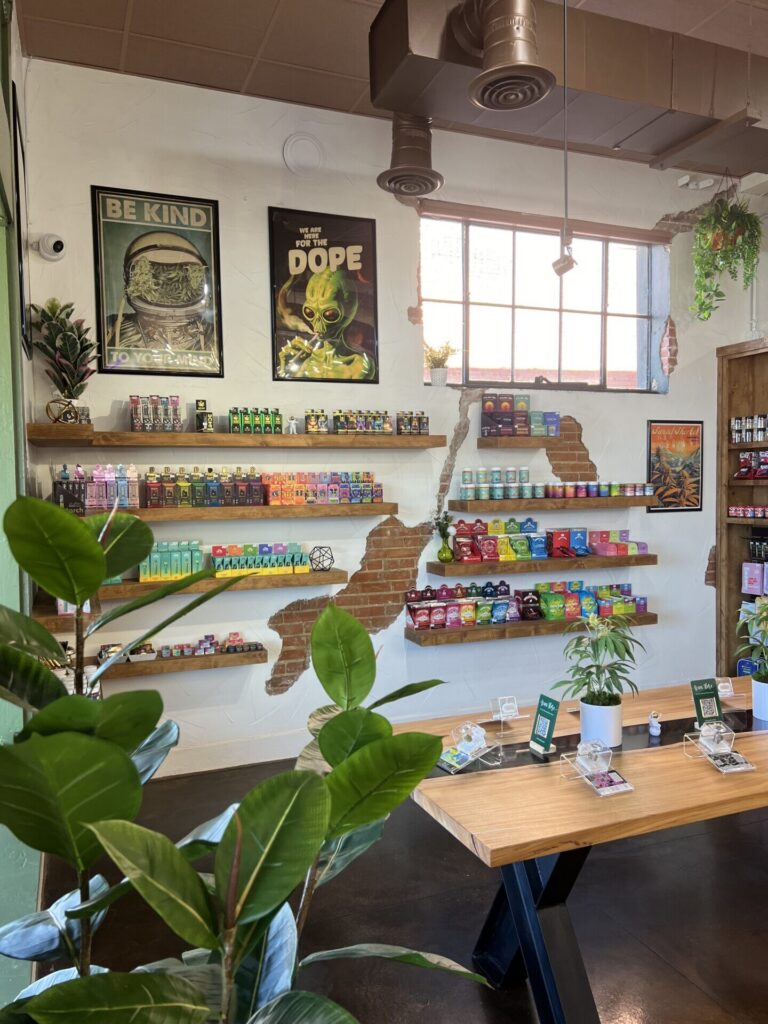
A strong local-business community depends partly on people knowing what is around them. Around BCS is built around that idea, giving Bryan–College Station residents a place to discover restaurants, shops, events, activities and other local businesses throughout the Brazos Valley.
A platform designed to keep local businesses visible
Around BCS says it was founded by Impact Group Marketing with the goal of celebrating and uplifting local businesses in the Brazos Valley. Its site mixes curated local guides, blog content and business features covering places to eat, drink, shop and explore. The company also offers paid feature packages, including a dedicated blog highlight, social-media options and a combined package designed to put a local business in front of its audience. Its public messaging emphasizes community connection and helping residents discover the people, places and experiences that make Bryan–College Station feel local. Businesses interested in current feature options, and residents looking for ideas around town, can visit the Around BCS website for the latest details.
A local publishing and promotion operation like this creates a different kind of AI opportunity: not replacing editorial judgment, but helping a small team organize submissions, research, content assets and follow-up across many businesses at once.
Where AI can support a local content operation
For Around BCS, a useful AI system could begin with business-feature intake. A restaurant, retailer or service company might submit its website, hours, location, story, photos and campaign goals. An assistant could organize those materials into a structured brief, flag missing pieces and prepare a research checklist. A person still decides what is interesting, what is accurate and how the final story should sound.
That workflow resembles the project-intake discipline described in our feature on Impact Group Marketing in College Station, where the value of AI is in organizing approved information and making handoffs cleaner rather than inventing brand facts.
A business submission-to-feature workflow
Imagine a hypothetical business asks to be featured. The input arrives through a form or email with a company name, website, short description, contact person and a folder of approved photos. Step one: the workflow creates a record for the submission and checks whether all required fields are present. Step two: an AI research assistant reads only the company’s public site and the supplied materials, then creates a source-linked fact sheet covering services, location, history and current public claims.
Step three: the system compares the fact sheet with Around BCS’s editorial checklist and flags unsupported or unclear statements. Step four: it prepares several possible story angles, social captions and interview questions. Step five: an editor chooses the angle, verifies the facts and writes or substantially edits the feature. Step six: after publication, automation can place the approved URL, captions and assets into a distribution checklist for the website and social channels.
The model should never publish a claim simply because it sounds promotional. Human review protects both the featured business and the publisher. Platforms such as OpenAI’s business offerings provide organizational privacy and data-control options that may matter when teams use internal material, while Zapier’s workflow platform is one example of a way to connect forms, spreadsheets, email, content systems and AI steps without rebuilding every tool.
Keeping a local editorial calendar organized
Another useful opportunity is content planning. Around BCS publishes local guides and timely ideas, which means a team may be tracking event dates, seasonal topics, featured companies, image permissions, draft status and publishing dates at the same time. AI can summarize what is coming due, identify incomplete records and suggest which existing research could support an upcoming story.
It can also help prevent repetition. Before a new feature is assigned, an internal assistant can search prior coverage and show similar businesses, recurring headline patterns and recent topics. That does not choose the editorial calendar, but it gives the editor better context. Our feature on Imagine Advertising Studio offers another local example of how structured intake and repeat-job knowledge can support creative work without replacing creative direction.
What remains human
For a community platform like Around BCS, the human team should retain control of which businesses are featured, whether a claim is supportable, the tone of a review-style article, image selection, brand relationships, sponsorship disclosures and final publishing. AI should not manufacture customer experiences, ratings, awards, local popularity or quotes. It also should not silently reuse a business’s photos or copy without the appropriate permission.
A good implementation needs clear source rules, a defined approval path, ownership of the editorial calendar, access controls for unpublished material and periodic review of prompts and templates. If automation posts directly to a website or social account, the authority should be narrowly defined and tested first; many small teams will be better served by draft-only workflows.
A local pilot that supports the editorial team
For small business AI in College Station, a useful pilot could start with feature intake rather than automatic publishing. Feed the system a set of completed past features and simulated new submissions. Ask it to produce fact sheets, missing-information lists and draft interview questions, then compare the output with what an editor actually needs.
Maisy AI Consulting provides practical AI solutions and consulting in College Station, Texas. For a business like Around BCS, Maisy could map the current submission and publishing process, organize the approved sources, and build a small reviewed workflow using the team’s existing forms, spreadsheets, email and website tools. The purpose would be simple: give people more organized information so the people can spend more time on the local storytelling that makes the platform useful.