
BH Harris Construction: Commercial General Contracting from Bryan
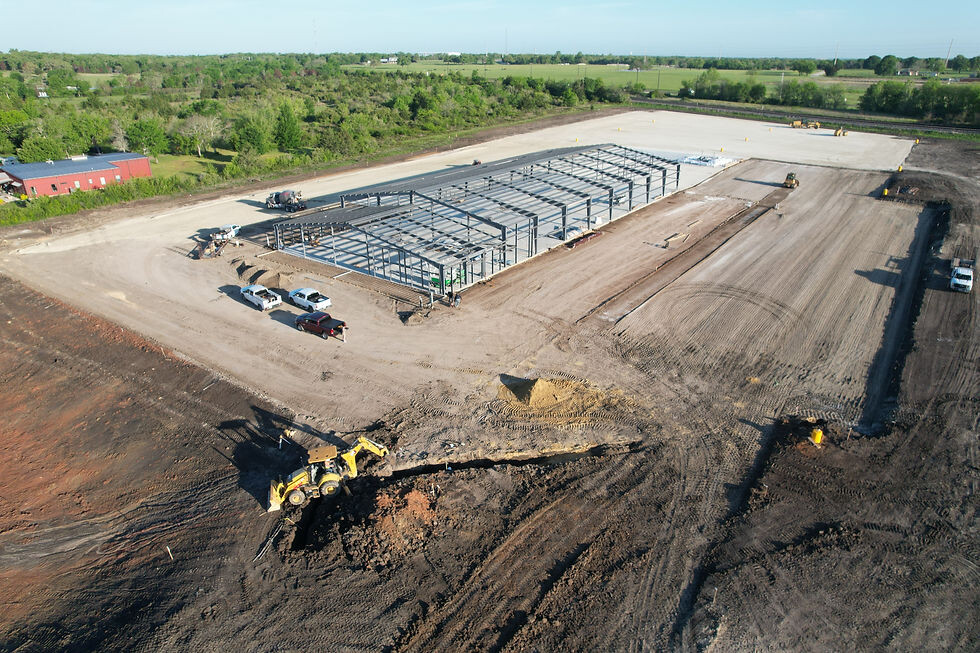
Commercial General Contracting From Bryan
BH Harris Construction is a Bryan-based commercial general contractor led by President Braden Harris. The company says it was established in 2023 and works on private and public projects. Its official site organizes the construction journey into three clear service stages: pre-construction, construction, and post-construction. That lifecycle view is important because a commercial project produces information long before field work begins and continues producing records through closeout. Drawings, scopes, estimates, meeting notes, submittals, RFIs, schedules, decisions, and closeout documents all have to reach the right people at the right time. BH Harris Construction is therefore a strong local example of a business where better information flow can support project teams without replacing the judgment of estimators, superintendents, project managers, or trade partners. Current company information and services are available on its official site.
Pre-Construction Information Is a Natural Starting Point
One practical AI use for BH Harris Construction would be pre-construction document intake. Bid invitations often arrive with drawings, specifications, addenda, alternates, due dates, and instructions spread across multiple files. An AI-assisted workflow could index those documents, extract administrative requirements, build a source-linked checklist, and flag conflicting or missing information for an estimator to review.
The boundary is important: AI should not produce authoritative takeoffs, pricing, structural interpretations, or contractual assumptions on its own. Instead, it can reduce clerical hunting. An estimator can see a reviewable list of bid dates, named alternates, required forms, and source locations, then decide what matters.
From Meeting Notes to a Controlled Action Log
During construction, meetings generate another repeatable information problem. Notes may contain owner decisions, subcontractor questions, pending submittals, field issues, and schedule concerns. The input can be an approved meeting transcript or staff notes. The friction is converting that material into a clean action list without losing who said what or where the underlying source came from.
An AI workflow could identify proposed actions, owners, due dates, and unresolved questions, then compare them with the existing project log. A project manager reviews every suggested update before anything is written to the system of record. The output is a proposed action-log update or meeting summary. AI does not issue field direction, approve schedule changes, answer RFIs, accept submittals, alter contracts, or commit BH Harris Construction to cost or scope.
Choosing Tools Around the Existing Project Stack
The language layer could be ChatGPT, Gemini, Copilot, or Claude. Automation could be handled by Power Automate, Zapier, Make, n8n, or an existing construction platform integration. The tool choice should follow the project systems and permissions BH Harris Construction already uses. A well-designed workflow should point back to source documents and avoid creating a second unofficial project record.
A controlled project assistant could also answer internal questions from approved procedures: where a particular closeout checklist lives, what information is required before a subcontractor package is routed, or which standard template applies to a meeting type. Maisy’s custom AI agents for small business are designed around this sort of bounded knowledge and workflow problem rather than wholesale system replacement.
Closeout Can Benefit From the Same Discipline
Post-construction work often involves warranties, manuals, punch information, approvals, and final documentation. AI could help compare a closeout checklist with documents already received and produce a missing-item list for staff review. It could also draft a neutral transmittal summary from approved records. The value is organization and traceability; the project team still decides whether requirements have actually been satisfied.
What Stays Human
BH Harris Construction’s qualified people remain responsible for estimating, constructability, means and methods, safety, code and design questions, subcontractor direction, schedules, quality, contractual notices, change decisions, and owner commitments. AI can prepare information for those decisions, not make them. Any workflow touching project documents also needs clear permissions, retention rules, source ownership, and testing before it is used on live work.
The practical question is not whether a business can use AI, but where it can help without taking authority away from the people responsible for the work. A useful starting point is a narrow, reviewable workflow with approved source material, clear permissions, and a named owner. The NIST AI Risk Management Framework is a useful reference for thinking about governance, measurement, and risk. For organizations considering business AI platforms, current vendor documentation such as OpenAI’s business data privacy and security information also helps teams compare data-handling choices before sensitive information is introduced.
Start With One Project Workflow
A sensible pilot could focus on pre-construction intake or meeting-to-action reconciliation for one project type. Maisy could document the current handoffs, identify approved sources, establish review points, and connect the workflow to the systems the team already trusts. The approach follows Maisy’s implementation process and keeps authority with BH Harris Construction’s project leaders while removing some of the repetitive information handling around them.