
Bryan Concrete & Masonry: Brick, Stone and Concrete Work Across the Brazos Valley
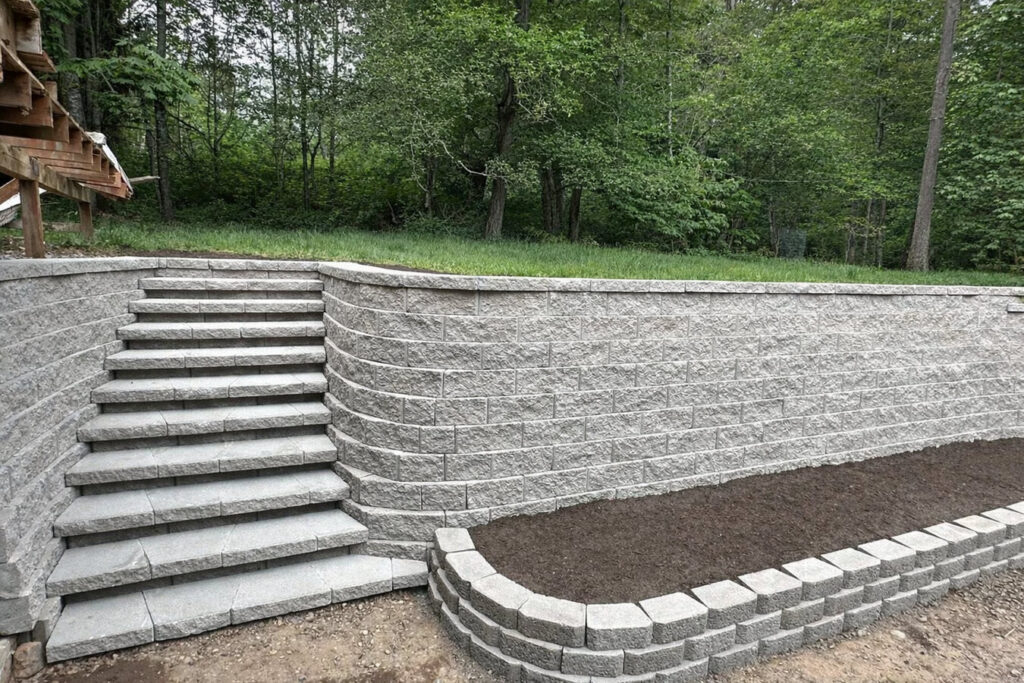
A Local Masonry Contractor Serving the Brazos Valley
Bryan Concrete & Masonry is based at 600 E. 23rd Street in Bryan and serves homeowners across the Brazos Valley. Its website describes a broad masonry and concrete service mix that includes foundation repair, brick and chimney work, retaining walls, driveway pavers, stone veneer, block walls, fireplaces, outdoor kitchens, restoration, and related projects. The company says it has been locally owned since 2018 and describes a straightforward customer process that moves from initial contact to an assessment and estimate, then execution and completion. That combination of varied project types and a repeatable estimating process makes the business a useful local example of how information has to move cleanly from a customer request to an on-site assessment and finally to a completed job. Readers looking for the company’s current services and project information should visit its official website.
Where Practical AI Could Help a Masonry Business
A masonry contractor receives information in many forms: phone notes, website requests, photos of damaged brick or concrete, dimensions, property addresses, material preferences, and questions about timing. AI can help turn that unstructured intake into a consistent project brief before an estimator reviews it. For Bryan Concrete & Masonry, that could mean grouping the request by service type, extracting location and access details, identifying which photos were supplied, and flagging missing information rather than guessing at scope.
Another useful workflow is estimate preparation. AI should not set quantities or prices, but it can organize the facts that an estimator already has. A draft brief might list the requested work, known dimensions, visible conditions described by the customer, unanswered questions, and any documents or photos that should be reviewed. The estimator remains responsible for measurements, material assumptions, labor, structural concerns, and the final proposal.
A Project-Intake Workflow From Request to Estimator
An end-to-end pilot could begin with a website form or email as the input. The friction is that customer descriptions are inconsistent and staff may spend time rewriting the same details into notes or a CRM. An AI workflow could read the submitted text and attached metadata, classify the request as repair, restoration, pavers, retaining wall, or another approved service category, then produce a structured summary with a missing-information checklist.
The workflow could use ChatGPT, Gemini, Copilot, or Claude for language processing, with Zapier, Make, n8n, Apps Script, or Power Automate moving approved fields into an existing CRM, spreadsheet, or project-management system. A staff member reviews the summary before it becomes part of the project record. The output is a cleaner estimator brief, not an estimate. AI has no authority to determine measurements, structural adequacy, excavation requirements, material suitability, pricing, or safety conditions.
Project Knowledge Without Replacing the Job System
Bryan Concrete & Masonry could also use a controlled internal assistant for approved procedures: what information to collect for a paver inquiry, which photos are useful for a chimney repair request, how completed-job documentation is stored, or which handoff checklist applies before a crew is scheduled. The source should be the company’s own current checklists and procedures, not general internet advice. This is the kind of contained use case described in Maisy’s custom AI agents for small business.
Version control matters. If a checklist changes, the old version should not continue answering questions. Permissions matter too: customer records, pricing, employee notes, and job documents should only be available to the people and systems that already have a business reason to see them. A pilot should start with low-risk internal material and test common questions before expanding access.
Human Judgment Stays at the Center
Masonry and concrete work involves physical conditions that cannot be responsibly inferred from a text summary. Bryan Concrete & Masonry’s people should remain responsible for site assessment, measurements, structural questions, utilities, permits, excavation safety, material choices, workmanship, pricing, and customer commitments. AI can organize information around those decisions; it should not make them.
The practical question is not whether a business can use AI, but where it can help without taking authority away from the people responsible for the work. A useful starting point is a narrow, reviewable workflow with approved source material, clear permissions, and a named owner. The NIST AI Risk Management Framework is a useful reference for thinking about governance, measurement, and risk. For organizations considering business AI platforms, current vendor documentation such as OpenAI’s business data privacy and security information also helps teams compare data-handling choices before sensitive information is introduced.
A Small Local Pilot
For a Bryan contractor, the best first project is usually one narrow administrative bottleneck rather than a company-wide transformation. Maisy could help map the current intake process, identify the authoritative source information, set review checkpoints, and connect a small workflow to the tools already in use. That follows Maisy’s implementation process: understand the work, organize the information, then add carefully bounded automation. Practical AI solutions and consulting in College Station, Texas can start with something as simple as producing a consistent estimator-ready brief from every new project inquiry.