
Campion Chiropractic Clinic: Full-Service Chiropractic Care in College Station
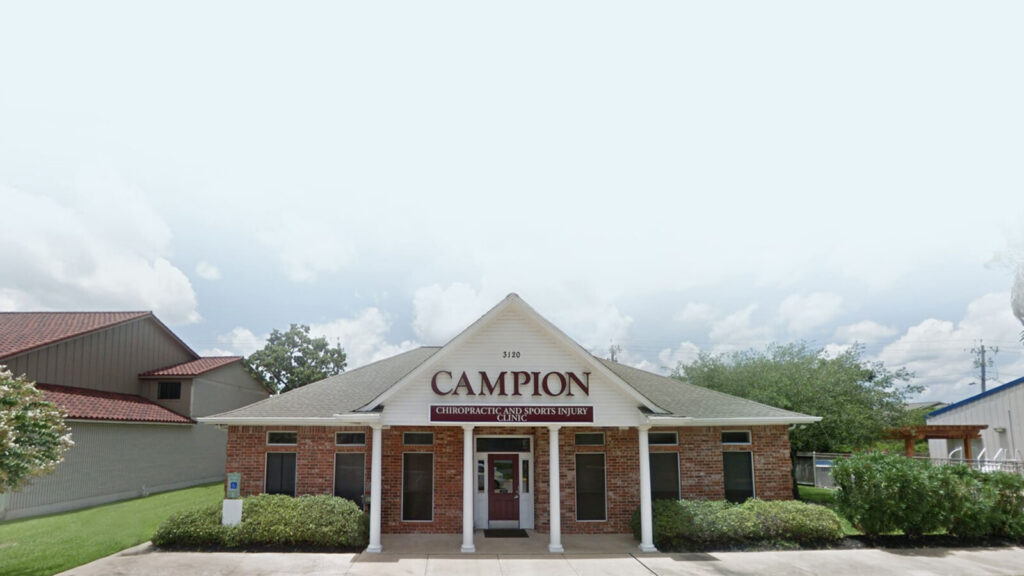
Campion Chiropractic Clinic operates in College Station and presents a broad chiropractic and rehabilitation offering on its current website. Services include chiropractic care, non-surgical spinal decompression, Graston Technique, cold laser therapy, sports-injury care, and rehabilitation. The site identifies Dr. Nathan Sehorn as a chiropractor and notes his Parker University background, along with an office team that supports scheduling and patient care. For a practice with multiple service types and recurring patient questions, the administrative side of the business has many small handoffs that need to stay accurate. Residents can visit Campion Chiropractic Clinic’s official website for current service descriptions, forms, scheduling information, and office details.
Start with office operations, not clinical decisions
AI can be useful in a chiropractic clinic without being allowed to diagnose, triage, or recommend treatment. The most practical first uses are repetitive administrative tasks: classifying inquiries, identifying missing paperwork, finding approved office information, and drafting routine messages for staff review.
For example, an incoming inquiry may ask about hours, first-visit forms, spinal decompression, payment, or whether a particular situation is appropriate for an appointment. AI can safely organize the first four categories using approved source material. The last question may require professional judgment and should be escalated rather than answered by automation.
An end-to-end new-patient workflow
Consider a simple workflow around appointment preparation. The input is a scheduled new-patient appointment, the clinic’s current forms, and approved administrative instructions. The friction is that missing forms or unclear preparation details create extra phone calls. AI checks the administrative record for completeness, produces a short missing-items list, and drafts a reminder using approved language. Staff review the reminder before it is sent through the existing patient system.
The output is not a treatment recommendation; it is an administrative checklist. The practice-management platform remains authoritative for the appointment and patient record. A clinician remains responsible for evaluation, diagnosis, imaging interpretation, treatment choices, restrictions, and urgency. That boundary is what makes the workflow useful rather than risky.
Internal knowledge for a multi-service clinic
A clinic that offers chiropractic care, rehabilitation, decompression, Graston, and cold laser therapy can accumulate many routine questions about what each service is, how appointments are prepared, and which forms or internal procedures apply. A read-only staff assistant can retrieve answers from approved office documents and cite the source. It can also help new employees find instructions without turning an AI response into clinical policy.
AskMaisy has explored a similar separation between administrative support and clinician authority in its feature on River of Life Chiropractic in College Station. The same design principle applies here: AI organizes and retrieves; professionals decide.
Reducing friction in routine communication
Another opportunity is message preparation. A staff member may need to answer a routine scheduling question, resend an approved form, explain an office policy, or summarize a non-clinical phone message. AI can prepare a draft from controlled source material, but a person should approve anything sent externally. The workflow can also flag messages containing symptoms, treatment questions, adverse reactions, or other clinical content for direct professional review.
Tool selection should follow the practice’s systems and privacy requirements rather than a favorite vendor. ChatGPT Business, Gemini for Workspace, Microsoft Copilot, Claude, and automation platforms can support different pieces of the workflow. OpenAI describes business-data privacy and security practices, while Google explains how Gemini access to Workspace data can be controlled. A healthcare practice still needs to determine whether a specific product, account type, configuration, contract, and data flow are appropriate before exposing protected health information.
Human control is the operating rule
Campion Chiropractic Clinic should keep clinical evaluation, diagnosis, treatment planning, spinal-decompression decisions, rehabilitation progression, imaging interpretation, contraindications, safety decisions, and patient-specific advice with qualified professionals. Administrative automation should fail safely: if the workflow is unsure, it should route the item to a person.
Source quality matters too. Current forms must replace old versions. Service descriptions should have clear owners. Permissions should match staff roles. Tests should include edge cases, not just easy questions. Maintenance is ongoing because office policies and workflows change.
Before rollout, the clinic should also map the workflow from beginning to end. That includes the source of each approved answer, the staff member responsible for updates, the point where a message is escalated, and the system that stores the final action. Licensing, integrations, retention settings, and user permissions should be checked during testing so the pilot reflects the real operating environment rather than a demo.
A practical College Station pilot
A sensible pilot for Campion Chiropractic Clinic could focus on approved office FAQs and new-patient administrative readiness, with every external message reviewed by staff. That is enough to test whether AI can reduce repetitive clerical work without entering clinical decision-making. Maisy provides practical AI solutions and consulting in College Station, Texas, and can help a local practice design and test that kind of controlled workflow around its existing systems.