
Frame by Frame: Film and Video Production from College Station
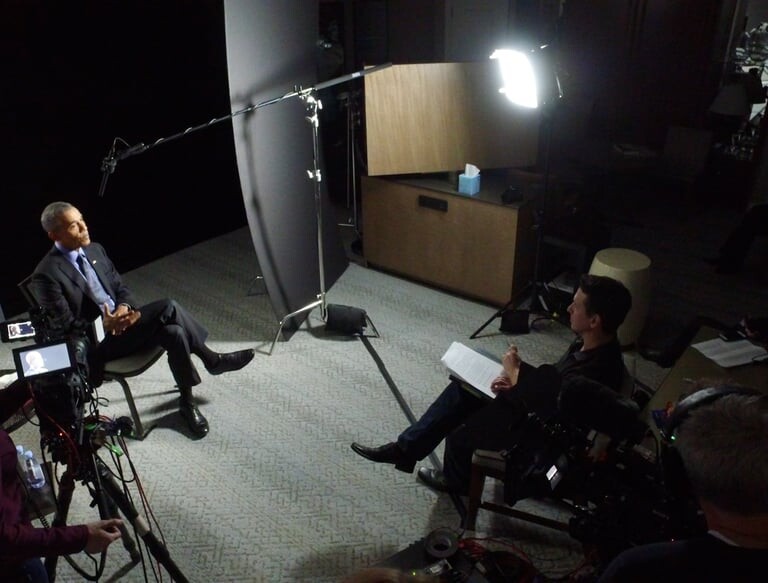
Frame by Frame is a College Station film and video production company with more than three decades of experience in the work that happens before, during, and after a shoot. The company describes services spanning creative development, acquisition, and post-production, with work that includes commercials, documentaries, and marketing content. That breadth matters because production businesses do far more than operate cameras: they collect client requirements, coordinate files, manage interviews and footage, track revisions, and turn a large amount of raw material into a finished story. Frame by Frame’s long local history gives it a useful perspective on how disciplined production workflows support creative work. Readers can see the company’s current capabilities on the Frame by Frame website.
AI works best around the creative decision, not instead of it
Video production contains plenty of repetitive information work that can be assisted without handing creative control to software. Project intake, transcript organization, review-note consolidation, research, file labeling, and draft production documents are all candidates. The producer, director, editor, and client still decide what the story is and what should appear in the final cut.
For a company like Frame by Frame, one practical use is turning a client brief into a structured production intake packet. AI can extract dates, deliverables, audience notes, interview subjects, required formats, brand constraints, and unanswered questions from emails and documents. A producer then checks the packet before it becomes the project plan.
An end-to-end transcript and review workflow
Consider a project with several hours of interview footage. The source is the approved transcript plus timecodes generated from the production files. The friction is finding the strongest segments and keeping multiple rounds of comments synchronized. AI can organize transcript passages by topic, identify repeated themes, create a paper-edit draft, and map each suggested passage back to its source timecode.
The workflow might use a transcription platform, a secure file repository, and a business AI tool such as ChatGPT, Claude, Gemini, or Copilot. Automation through Zapier, Make, n8n, Apps Script, or Power Automate could move approved metadata between systems. The editor reviews every suggested clip and determines whether it belongs. The output could be a source-linked paper edit or review worksheet—not a finished edit that bypasses the creative team.
The boundary is explicit: AI does not decide the final story, approve factual claims, license music or footage, clear releases, accept client scope changes, or publish a deliverable. Those decisions remain with people. OpenAI’s business connector security guidance and Google’s Gemini Workspace access guidance are useful references when evaluating how source permissions should carry into an AI workflow.
Project intake can become cleaner
Creative projects often begin through a mix of calls, emails, attachments, and informal notes. Frame by Frame could use a staff-controlled assistant to turn those inputs into a consistent brief: objective, audience, runtime, aspect ratios, required deliverables, interview needs, location details, deadlines, and open questions. The assistant should only summarize what was provided. A producer decides whether the scope is complete and what needs clarification.
That same approach can help with review notes. Client comments often arrive in several forms. AI can normalize them into a table by timecode, issue, requested change, source, and status. Editors still interpret ambiguous feedback and decide how changes affect pacing, story, budget, or schedule.
Research and internal knowledge are another fit
Documentaries and marketing pieces may require background research. AI can help organize source material and produce a research brief with links, but claims should be checked against authoritative sources before they become script language. For internal work, a permission-controlled assistant can answer recurring questions about naming conventions, export settings, archive procedures, delivery checklists, or client handoff standards from approved documents.
The Maisy AI resources for small business provide additional examples of using AI for knowledge retrieval and workflow support without turning it into an unchecked decision-maker.
Production ownership still belongs to the team
Creative ownership, factual verification, rights clearance, pricing, schedules, client commitments, final edits, and publishing decisions should remain human responsibilities. Good implementation also depends on source quality, storage permissions, client confidentiality, intellectual-property ownership, licensing, consistent filenames, version control, and maintenance of the workflow after launch.
A system should be tested against real messy projects, not just perfect samples. If transcripts are wrong, filenames inconsistent, or review notes contradictory, the workflow needs to surface uncertainty rather than invent certainty.
A focused pilot for a College Station production company
Frame by Frame could test one contained workflow, such as transcript-to-paper-edit organization or client-review consolidation, before touching the rest of production. Maisy provides practical AI solutions and consulting in College Station, Texas, with an emphasis on fitting automation around existing work rather than replacing an entire stack. The Maisy custom agent approach is one model for building a narrow assistant with explicit sources, permissions, review points, and boundaries.