
John A. Williams III: Professional Development and Research Support from College Station
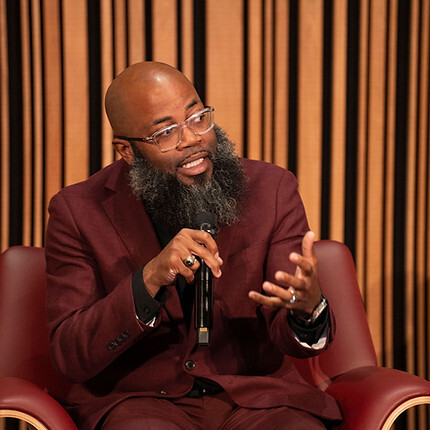
John A. Williams III, Ph.D., works from College Station through We Consulting, LLC, with a professional focus that spans research, speaking, strategy, professional development, grant design and evaluation. His official site presents him as a researcher, author, professional speaker and strategist, with experience designing and evaluating grant-funded models in areas including education and juvenile justice. The practice offers speaking engagements, professional-development support, research services, and grant evaluation and design for organizations that need structured thinking around programs, people and outcomes. That mix makes the work especially information-intensive: engagements often begin with background materials, stakeholder goals, source documents and a need to turn complex inputs into useful decisions. Readers can review current services and background on the John A. Williams III website.
Where practical AI can support professional-services work
Research and professional-development projects rarely suffer from a lack of information. The harder problem is organizing source material, separating verified facts from assumptions and keeping client objectives visible as the work develops. AI can help prepare that information without taking over interpretation, recommendations or client commitments.
For a practice such as We Consulting, one useful starting point is a pre-engagement assistant that turns questionnaires, emails and supplied documents into a structured brief. It can identify goals, audiences, deadlines, known constraints and open questions, then present those items for human review before a workshop or research project begins.
An end-to-end engagement preparation workflow
Imagine an organization requests a professional-development session and sends several documents describing its goals, prior initiatives and current challenges. The friction is that useful context is spread across attachments and email threads. An AI workflow could ingest only approved source material, extract documented objectives, group recurring themes and prepare a source-linked engagement brief in the existing project workspace.
John A. Williams III or another project lead would review the brief, correct any misinterpretation and decide what deserves attention. The AI would not determine the organization’s strategy, diagnose team problems, make personnel judgments or promise outcomes. Its authority ends at organizing evidence and preparing questions.
OpenAI business products can support controlled document analysis and summarization, while Microsoft Copilot Studio can connect approved knowledge sources and workflow steps. Similar patterns can be built with Gemini, Claude or other platforms when permissions, licensing and source ownership are handled correctly.
Research dossiers with traceable sources
For research-heavy work, AI can help build a preliminary dossier from approved reports, interview notes and public references. Instead of producing a free-form answer, the system can organize findings by question and preserve links or citations back to each source. That gives the consultant a faster way to inspect the evidence without treating the model as an authority.
This is particularly useful when a project involves many documents. Source quality matters: an outdated report or weak source should not carry the same weight as current primary material. Human judgment remains necessary to decide relevance, credibility and meaning.
Grant design and evaluation preparation
Grant-related work can also benefit from structured assistance. AI can map program goals, required measures, source documents and reporting obligations into a draft evidence matrix. It can flag missing documentation or inconsistent terminology before a professional reviews the model.
We Consulting would still control program design, evaluation methodology, interpretation, recommendations and any representation made to a funder. AI should not invent evidence, infer unsupported outcomes or substitute for subject-matter expertise.
Professional-development follow-through
After a workshop or facilitated session, notes can become a reviewed action summary. AI can group decisions, unresolved questions, assigned tasks and source references, then prepare a draft follow-up document. The facilitator verifies the meaning and ownership of every action before it becomes part of the client record.
That kind of workflow fits the practical approach described at AskMaisy.com: use AI to reduce repetitive organization while keeping interpretation and accountability with people.
Internal knowledge for repeatable methods
A small professional practice can also build an internal assistant around approved frameworks, workshop checklists, research procedures and engagement templates. The assistant should retrieve current material and show where the answer came from. Version control is important because outdated templates can quietly create inconsistent work.
What stays under human control
Research interpretation, strategic recommendations, facilitation, grant commitments, evaluation conclusions, sensitive personnel judgments, client advice and final deliverables stay under professional control. Sensitive education, organizational or personnel data should only enter systems with appropriate permissions and contractual protections. Every externally used output should be reviewed for accuracy, context and confidentiality.
A practical College Station pilot
A sensible first pilot could focus on pre-engagement preparation: turn approved client materials into a structured brief with goals, source links, open questions and missing information. That keeps the scope narrow and makes quality easy to evaluate.
If the workflow proves reliable, the same pattern can extend to research dossiers, action summaries or internal knowledge retrieval. Maisy provides practical AI solutions and consulting in College Station, Texas, for small and mid-sized organizations that want useful workflow improvements without replacing the systems they already use. To discuss a focused pilot, contact Maisy.