Sour Apple Repair: Local Device Repair in College Station
A College Station shop built around device service
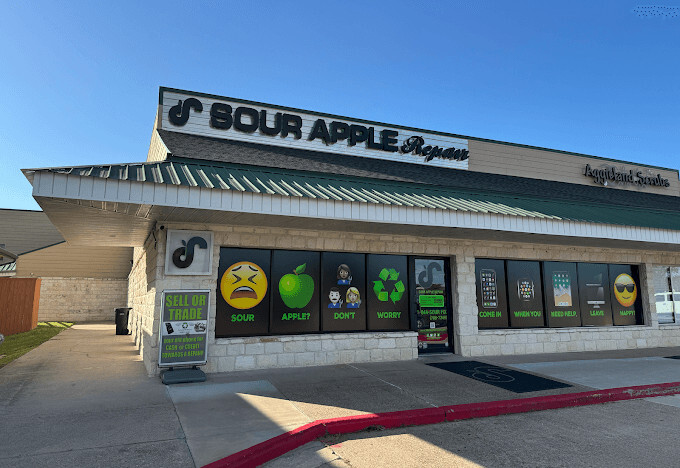
Sour Apple Repair / Sour Tech operates a College Station location on Harvey Road and provides repair and technical support for phones, tablets, laptops, desktop computers, game consoles, and other electronics. Its current website describes walk-in and scheduled repair options, estimates, real-time status tracking, trade-in and device sales, technical support, data recovery, and service for business and education customers. The site also says the company was established in 2010 and is locally owned. For customers, the practical value is a single local operation handling several stages of a device’s life, from repair and diagnostics to support, trade-in, and replacement. Current service details and location information are available directly from the Sour Apple Repair website.
Where AI can help a repair shop stay organized
Device repair generates a dense stream of small facts: model numbers, symptoms, passwords or access constraints, prior repairs, warranty status, parts, technician notes, photos, customer messages, and pickup status. For Sour Apple Repair, AI can be useful when it turns those facts into cleaner handoffs rather than making technical decisions on its own.
A model such as ChatGPT, Gemini, Claude, or Copilot could summarize an intake description, normalize device information, identify missing questions, or turn technician notes into a customer-friendly draft. Automation tools such as Zapier, Make, n8n, Apps Script, or Power Automate could move approved data among web forms, email, ticketing, inventory, and customer communication systems.
An end-to-end repair intake workflow
Consider a customer reporting that a laptop no longer boots. Inputs may include an online request, device make and model, serial number, symptoms, prior repair history, photos, and the customer’s preferred contact method. The friction comes from incomplete descriptions and information spread across multiple systems.
An AI intake step could extract the device identifiers, summarize the symptoms exactly as reported, separate confirmed facts from customer assumptions, and flag missing questions such as whether there was liquid exposure or a recent update. The draft could be placed in the repair ticket. A Sour Apple Repair employee reviews it, corrects the record, and decides the next diagnostic step. The approved output becomes a technician-ready intake brief.
The AI boundary should be hard. It does not declare a failed component, promise data recovery, wipe a device, unlock an account, order a part, quote a final repair, or tell a technician to bypass safety procedures. Those actions remain with trained people. Human approvals can be formalized in workflow platforms; Microsoft’s Power Automate approval process, for example, allows a flow to wait for a person before continuing.
A searchable technical knowledge layer
Sour Apple Repair could also build an internal assistant from approved repair procedures, warranty rules, device intake policies, quality checks, parts guidance, and support articles. The assistant could retrieve the right internal reference for a technician or front-desk employee and include a source link so the person can verify it.
This is not the same as letting a public chatbot improvise repair instructions. Source ownership, versioning, and permissions matter. A business should decide which documents are authoritative, which employees can see them, and how updates are approved. For sensitive device and customer information, the organization also needs to understand platform data handling. OpenAI publishes business data privacy and security information; Google, Microsoft, Anthropic, and other vendors provide their own controls and terms that should be evaluated for the selected use case.
Status updates and customer communication
Another concrete opportunity is communication drafting. A repair ticket may contain terse technical notes that are clear to a technician but confusing to a customer. AI could prepare a draft update explaining what has been inspected, what information is still needed, or what stage the job is in, using only approved ticket facts. A staff member would verify every statement before sending it.
Sour Apple Repair already advertises real-time tracking, so an AI layer should not create a competing status source. The existing service-management record remains authoritative. The model can explain or summarize that record, but it should not invent completion times, warranty coverage, parts availability, pricing, or guarantees.
Data recovery needs a tighter boundary
Data recovery and account access deserve stricter controls than ordinary screen or battery intake. AI should not receive unnecessary customer files, passwords, recovery keys, private photos, or unrelated device contents. The workflow should minimize the data provided, use role-based permissions, and define retention. Any destructive action, drive imaging decision, account recovery step, or disclosure of recovered information should require authorized human action.
Testing should include messy real-world cases: one customer with multiple devices, incorrectly entered serial numbers, ambiguous model names, repeat visits, partial repairs, and conflicting notes. Maintenance matters because device models, parts policies, warranty terms, and internal processes change constantly.
A controlled local pilot
For Sour Apple Repair, a sensible pilot is intake summarization plus missing-information checks. It can improve the handoff without giving AI authority over diagnostics or customer devices. Once that works reliably, the same governed pattern can be extended to knowledge retrieval or reviewed status communication.
Maisy provides practical AI consulting in College Station focused on existing business processes, integrations, permissions, and human review. Businesses that need a reusable internal assistant can also explore custom AI agents for small business. The useful target is not “AI repair”; it is a cleaner operational layer around skilled technicians and established systems.