
Sustainable Roofing: Residential and Commercial Roofing Across the Brazos Valley
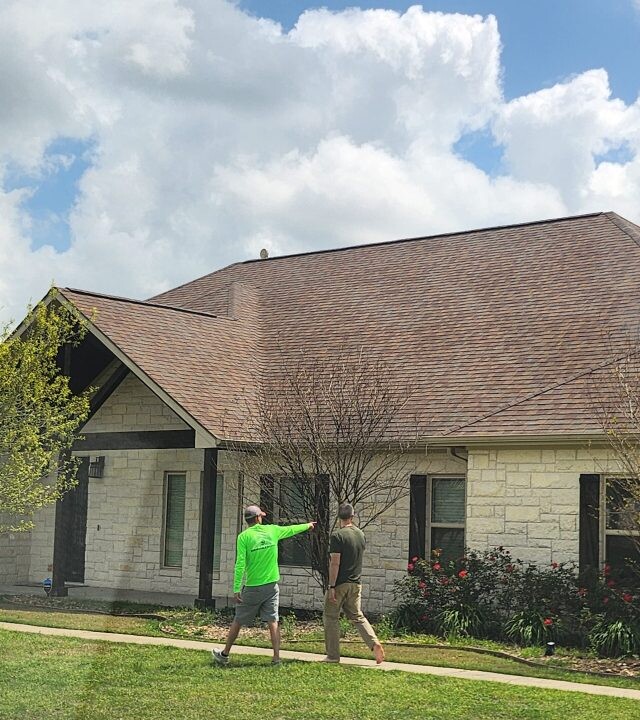
Sustainable Roofing is a Bryan-based roofing company serving Bryan, College Station, and surrounding Brazos Valley communities. Its current website describes both residential and commercial roofing work and presents services that include roof replacement, restoration, repair, leak-related work, and ventilation improvements. The company lists its office at 401 N. Main Street, Suite 201, in Bryan and positions its approach around durable materials, communication, and care for the property during roofing work. For homeowners and commercial property operators, that means a project can involve inspection findings, photos, scope documents, products, scheduling, and follow-up records in addition to the field work itself. Current service information is available on the Sustainable Roofing website.
Practical AI opportunities without replacing the core system
For a business like Sustainable Roofing, LLC, the best starting point is usually not a wholesale software replacement. It is a narrow workflow around information the team already handles. Two practical examples are organizing roofing inquiries and site information into consistent inspection-preparation briefs, and tracking approved project scope, product selections, change notes, and customer communications through completion. These can sit around an existing email account, CRM, shared drive, field-service platform, project system, or accounting tool rather than forcing a new operational stack.
An end-to-end workflow with a human checkpoint
A property owner submits a roof concern with photos and a description of leaks, age, storm exposure, or ventilation issues. The friction is that the useful details arrive in different formats and may be incomplete. An AI assistant can extract the stated facts, identify missing questions, and create a draft inspection brief tied to the source files. ChatGPT, Gemini, Claude, or Copilot can prepare the draft, while Zapier, Make, n8n, Apps Script, or Power Automate can route it into a CRM or project system. Sustainable Roofing staff review the brief before scheduling or estimating. The approved output can become an inspection checklist. AI is not allowed to determine roof condition, choose a system, set a price, or make a warranty or insurance commitment.
Permission design matters whenever an AI tool can see business records. OpenAI’s workspace app and permission guidance describes controls for connected data and actions, while the NIST AI Risk Management Framework provides a broader framework for governing AI risk. The exact platform is secondary to knowing which sources are authoritative, which users can see them, and which actions require approval.
Another workflow worth considering
A second workflow can focus on project closeout. AI can compare approved scope, completion notes, product documents, photos, and outstanding customer questions to prepare a closeout checklist. Staff confirm every item before documents or final messages are released.
Information quality matters before automation
For Sustainable Roofing, LLC, the usefulness of any assistant depends on the records behind it. Customer requests need consistent fields, documents need clear ownership, and staff need to know which system holds the current version. Photos, attachments, notes, and historical records should carry enough context to be understood later. If the same fact appears differently in email, a spreadsheet, and an operational system, the workflow needs a rule for which source wins.
A pilot should therefore test normal cases and awkward ones: incomplete requests, conflicting instructions, outdated documents, duplicate records, missing attachments, permission failures, and handoffs that happen outside the normal process. The goal is not to make AI sound confident. It is to make the work easier to review. In a small business, a short, source-linked draft that clearly marks what is missing can be more useful than an elaborate automated answer.
What stays under human control
Roof condition, structural concerns, code requirements, ventilation decisions, materials, safety, repair methods, pricing, insurance communications, schedule promises, warranties, and final workmanship stay with qualified roofing professionals.
That boundary should be written into the workflow. Source quality, permissions, data ownership, integration access, licensing, retention rules, testing, and maintenance all matter. A useful assistant should show where information came from, flag uncertainty, and route exceptions to a person. If the source system changes, the workflow must be retested rather than assumed to keep working.
Start with a controlled local pilot
The Maisy small-business AI resources show how practical knowledge and workflow improvements can start with existing business information. For a local company such as Sustainable Roofing, LLC, a first pilot could stay read-only: organize one intake, produce one reviewed brief, or retrieve one approved procedure. Results can then be checked against the current manual process before any action is automated.
Maisy provides practical AI solutions and consulting in College Station, Texas. The custom AI agents for small business approach is to define the source, permissions, review step, output, and boundary of authority first. That makes it possible to improve repetitive work while keeping the decisions that matter with the people responsible for the business.