A small business often depends on a few experienced employees who know how everything really works.
They remember which customers require special handling. They know why a process was changed, which shortcuts are safe, what usually causes a project to fail and who needs to approve unusual situations.
That knowledge may never appear in a formal procedure.
When one of those employees leaves, the company does not just lose labor. It loses context, judgment and years of accumulated experience.
Small business knowledge retention begins before a resignation notice arrives.
Why Small Businesses Are Especially Vulnerable
Large companies can often spread knowledge across departments, systems and multiple employees. Small businesses usually have less redundancy.
One office manager may understand billing, scheduling and vendor relationships. One technician may know the history of every difficult customer. One operations manager may be the only person who understands how several processes connect.
This creates key-person dependency.
Employee Knowledge Is More Than a Procedure
A written procedure usually describes the normal path.
Experienced employees also know which exceptions occur most often, what warning signs matter, which customer requests create risk, when the normal process should stop, who can approve an exception, which systems contain reliable information and why previous decisions were made.
This practical judgment is a major part of small business employee knowledge.
Identify the Highest-Risk Knowledge First
A small business does not need to document everything at once.
Start with knowledge held by only one or two people, used frequently, difficult to replace, connected to customers or revenue, important for compliance or safety, responsible for repeated manager questions or likely to cause disruption if lost.
The Institutional Knowledge Risk Assessment Framework provides a practical way to identify which roles and processes create the greatest exposure.
Use Interviews Instead of Blank Documents
Asking an employee to “write down everything you know” usually produces weak results.
Structured interviews work better. Ask what people repeatedly ask, what part of the written process is incomplete, what usually goes wrong, what a replacement would probably miss, when the normal procedure should stop and which decisions require approval.
The Knowledge Capture Playbook explains how interviews, job shadowing and completed-work reviews can uncover process, decision and exception knowledge.
Turn Raw Knowledge into Approved Business Assets
Interview notes should not become company policy automatically.
A useful knowledge asset should include a clear title and purpose, intended audience, required inputs, step-by-step procedure, decision rules, common exceptions, escalation guidance, supporting forms or systems, knowledge owner, review date and approval status.
Store Knowledge Where the Business Controls It
Important knowledge should not remain inside personal folders, private email or an employee’s memory.
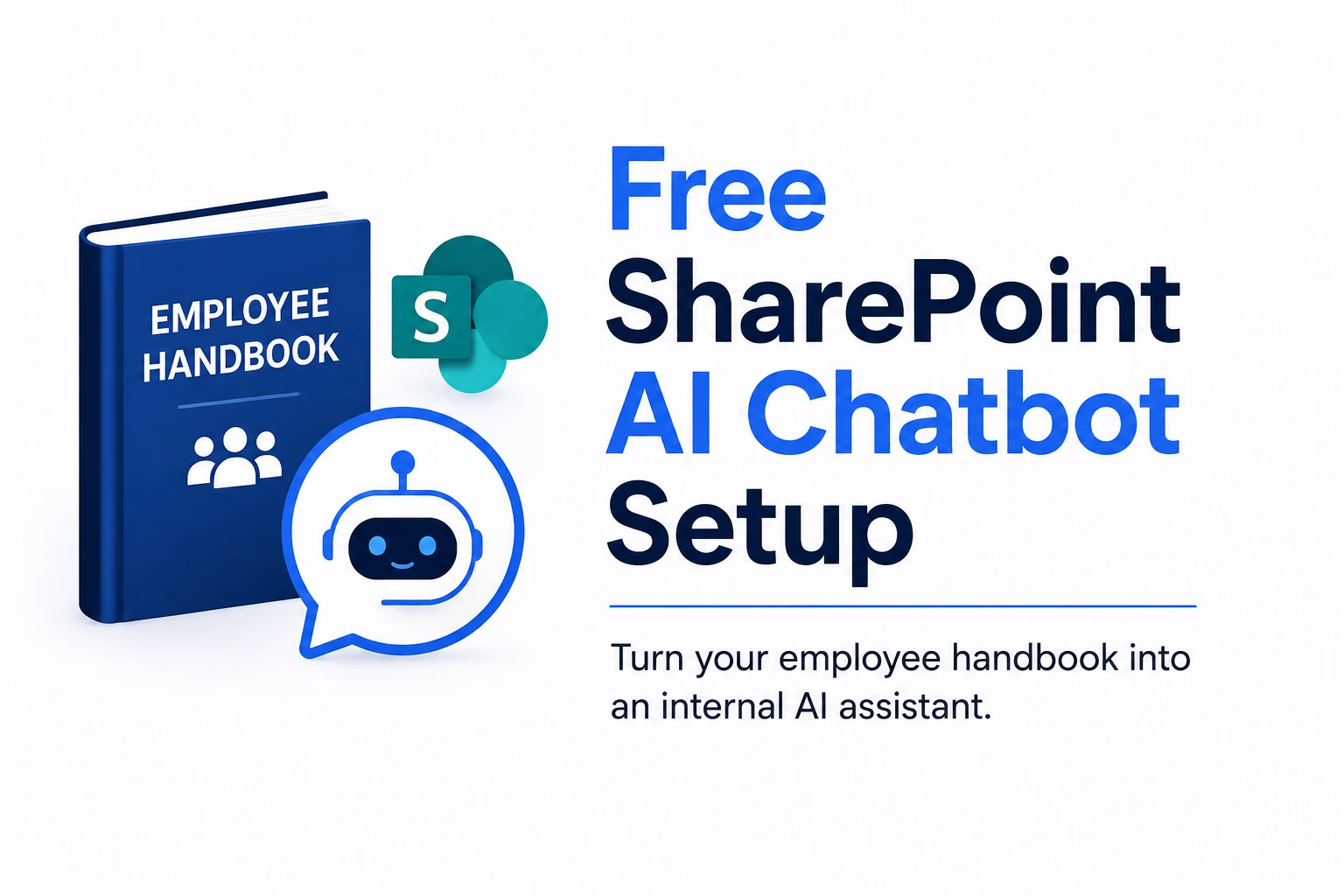
SharePoint can provide a controlled source for approved procedures, decision guides, training material and reference information. Microsoft 365 permissions can limit access by role or department. Power Automate can support review reminders and approvals. Teams can give employees a familiar place to retrieve answers.
Make the Knowledge Easy to Retrieve
Maisy uses SharePoint as the governed source, Microsoft Teams as the employee interface and Copilot Studio as the conversational retrieval layer.
Employees can ask direct questions about customer exceptions, approval limits, process failures and scheduling decisions. Maisy retrieves approved guidance and links back to the source.
Knowledge Retention Reduces Turnover Disruption
Employee turnover creates longer onboarding, more manager interruptions, slower customer response, repeated mistakes, lost customer context, inconsistent decisions and lower productivity.
A small business knowledge retention program helps the company retain institutional knowledge before experienced employees leave.
It also helps retain institutional knowledge when employees are promoted, absent or temporarily unavailable.
Start Before the Exit Interview
The worst time to begin capturing employee knowledge is during an employee’s final week.
Small businesses should treat knowledge capture as an ongoing operational process.
The employee may eventually leave. Their experience does not have to leave with them.