
Every small business has employees who know far more than their job descriptions reveal.
They know which customer requires extra documentation, which vendor can handle an emergency order, why a certain approval rule exists and what to check when a routine job begins going wrong. They may also maintain private spreadsheets, saved emails, handwritten notes and shortcuts that nobody else understands.
The business uses this knowledge every day, but the company does not truly control it.
When information exists primarily in employee memory, operations become dependent on particular people. Vacation creates delays. Illness stops work. Retirement or resignation can erase years of experience almost overnight.
Tribal Knowledge Includes More Than Procedures
Tribal knowledge is often treated as undocumented process instructions. In reality, it includes procedural knowledge, decision knowledge, exception knowledge, relationship knowledge and historical context.
A standard operating procedure may explain how to prepare an estimate. It may not explain which site conditions create unexpected labor, when an estimate needs a contingency, which promises require written confirmation or when management review is required.
That practical judgment is often the difference between following instructions and performing the job well.
Why Businesses Allow Knowledge to Remain Informal
Experienced employees solve problems faster than the company can document them.
A dispatcher explains an unusual scheduling decision over Teams. A technician develops a reliable workaround but never updates the service manual. A manager handles the same customer exception repeatedly without turning the decision into a formal rule.
The business keeps moving, so documentation is postponed.
Eventually, employees begin routing every unusual situation to the same people. Those experts become indispensable, overloaded and difficult to replace.
This creates repeated interruptions, inconsistent decisions, longer onboarding, weak delegation and operational disruption after turnover.
Capture Real Cases Instead of Asking for Everything
Telling an employee to “document everything you know” rarely works.
People struggle to explain knowledge they use automatically. They often omit exceptions, warning signs and small decisions because those details feel obvious after years of experience.
A stronger method begins with real situations:
- Walk through the last difficult customer request you handled.
- What changed your decision?
- What do new employees usually miss?
- When do you stop following the normal procedure?
- Which mistakes are expensive or difficult to reverse?
- What do people ask you repeatedly?
Structured interviews, process mapping, job shadowing and reviews of completed work can reveal how the job actually operates. See how the Maisy implementation process works.
Turn Experience into Governed Knowledge
Raw interview notes should not automatically become company policy.
Captured information must be reviewed, compared with existing policies and approved by someone with authority over the process. Personal habits should be separated from required procedures. Sensitive information must remain permission-controlled.
Once validated, the knowledge can be converted into procedures, checklists, decision guides, FAQs, examples, warning-sign lists and escalation rules.
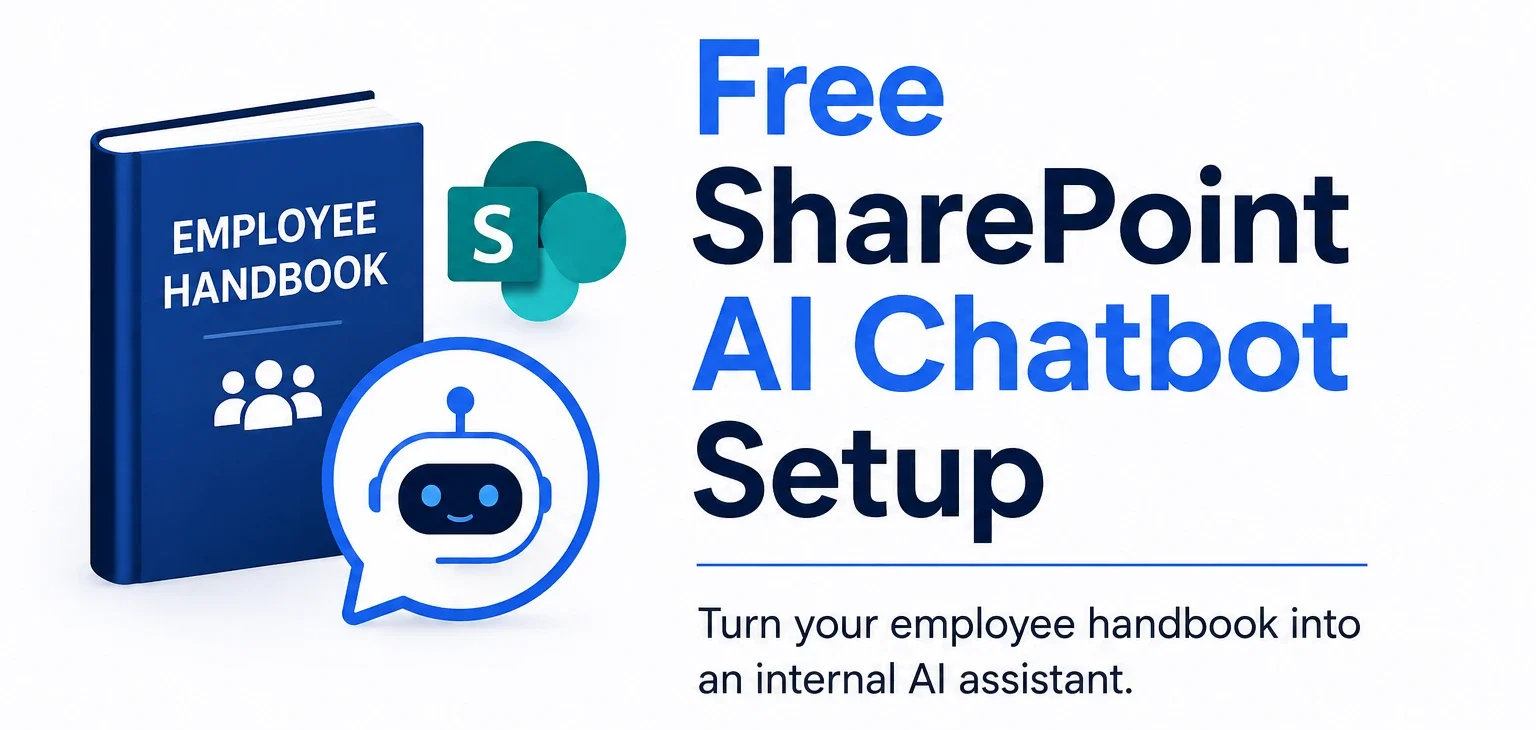
Maisy organizes approved company knowledge within a secure Microsoft 365 environment and allows employees to retrieve it using ordinary questions.
Make Knowledge Available Without Exposing Everything
Not every employee should have access to every captured lesson.
HR, finance, management and customer information may require separate SharePoint locations and role-based permissions. General procedures can remain broadly available while sensitive knowledge is limited to authorized groups.
The Knowledge Capture Playbook provides a framework for assigning ownership, approval and review dates.
Move Knowledge from the Employee to the Organization
Experienced employees will always remain valuable. The goal is not to make them replaceable.
The goal is to ensure that routine procedures, important decisions, exceptions and historical context do not disappear when one person becomes unavailable.
By capturing, validating and organizing practical employee experience, small businesses can retain institutional knowledge, improve training and reduce dependence on individual memory.
Tribal knowledge stops being an unmanaged risk and becomes an asset the company can preserve, improve and reuse.